
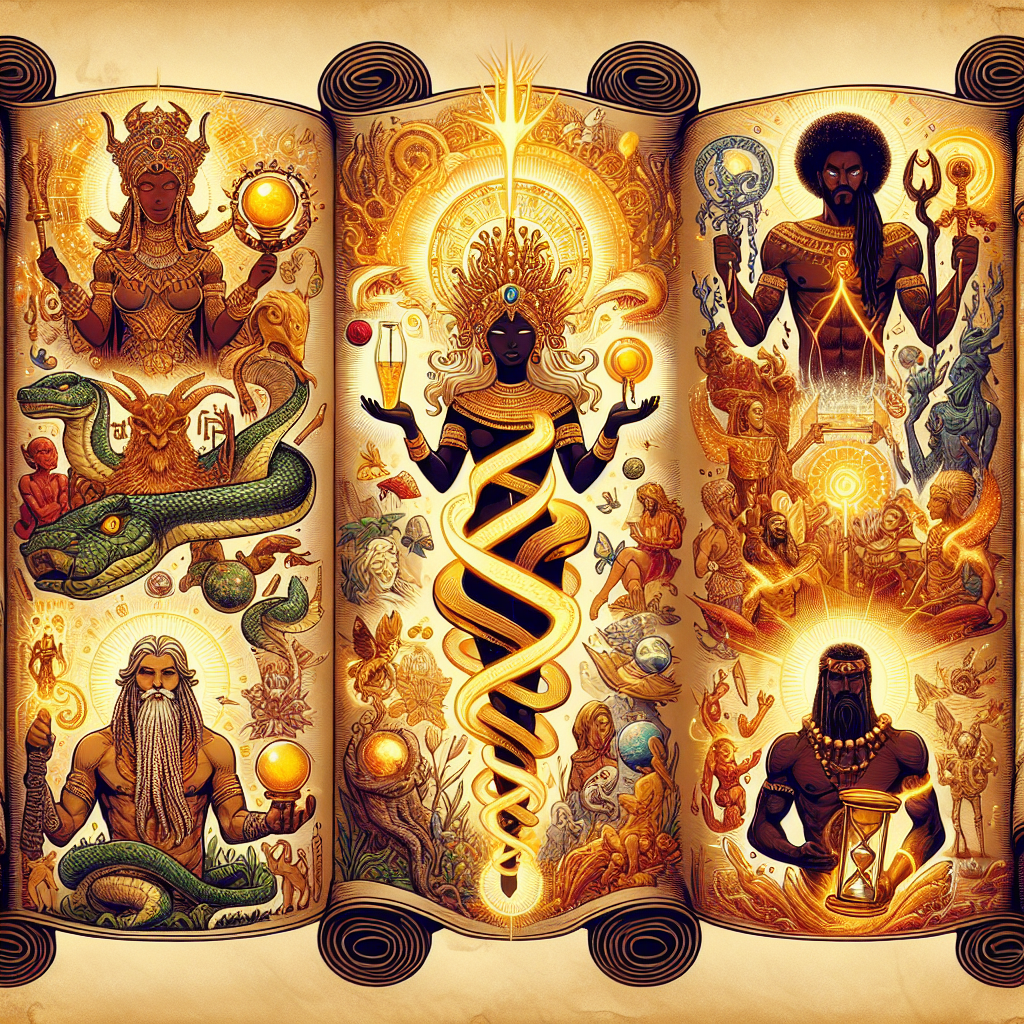
Immortality has been a tantalizing theme throughout human history, imbued with both allure and dread. It has manifested in myths, epics, and narrative traditions across cultures, often through gods who embody eternal life. The stories surrounding these divine beings serve as reflections of human aspirations, fears, and the quest for meaning in a finite existence. This article explores the myths of immortality among various pantheons, the implications of eternal life, and what these narratives reveal about humanity.
The Quest for Immortality in Mythology
Myths surrounding immortality often illustrate the dichotomy of desire and the repercussions of such a gift. Ancient civilizations crafted elaborate tales that offered both cautionary lessons and aspirational ideals. In those stories, gods are typically characterized by their eternal lifespans, often endowed with supernatural powers that distance them from the mortal experience.
Greek Myths and the Ambivalence of Immortality
In Greek mythology, the gods resided on Mount Olympus and lived lives of unparalleled luxury and power. Yet, their immortality came with its own set of challenges. Consider the tale of Tithonus, who was granted eternal life by Zeus but not eternal youth. This story underscores a painful truth: immortality without vitality can lead to eternal suffering. Tithonus becomes a shadow of his former self, ultimately transforming into a cicada, symbolizing the fragility of life even in its eternal form.
On the other hand, we have the hero Achilles, who faced a choice between a long, mundane life and a brief, glorious existence. His decision underscores a complex relationship between mortality and meaning. For Achilles, the notion of immortality came not from living forever but through the enduring legacy of one’s deeds. This theme echoes throughout many cultures, emphasizing that a meaningful life is often more desirable than one devoid of purpose.
The Mesopotamian Perspective
In Mesopotamian myths, particularly the Epic of Gilgamesh, the quest for immortality is front and center. Gilgamesh, a king who embarks on a journey to discover the secret of eternal life after facing the death of his friend Enkidu, eventually learns that immortality is reserved for the gods. His journey symbolizes the human condition: despite our aspirations for eternal life, we must ultimately face our mortality.
The character of Utnapishtim, who survived a great flood and was granted immortality by the gods, serves as a contrast. While he possesses the gift of eternal life, he lives in isolation, further emphasizing that immortality can breed loneliness and despair. The stories illustrate that, like Tithonus, those who achieve immortality often do so at a significant cost.
Eastern Perspectives on Immortality
In Eastern mythology, the pursuit of immortality often takes a different approach, focusing on the harmony of life and death rather than an outright escape from it. Taoism, for example, focuses on the natural cycle of life. The concept of “Xian,” or transcendent immortals, represents beings who have harmonized with the cosmos, achieving an enlightened state rather than merely avoiding death.
Similarly, Hindu mythology presents cycles of rebirth and karma, where immortality is not a constant state but a series of existences. The goal is not to achieve everlasting life in one form but to attain moksha, or liberation from the cycle of death and rebirth. In this view, immortality is less about the preservation of the physical body and more about spiritual continuity.
The Consequences of Immortality
While the allure of eternal life is undeniable, myths often reveal the darker side of such a gift. The gods, while immortal, are not free from suffering, betrayal, or jealousy. This dynamic serves as a metaphor for the human condition—our craving for life is often intertwined with suffering.
One recurring theme across various mythologies is the struggle between the finite and the infinite. While gods may exist without the concern for mortality, they often grapple with the isolation that comes from their eternal lives. In contrast, mortals who embrace their limited time on Earth often find deeper meaning in their experiences.
The Modern Relevance of Immortality Myths
The fascination with immortality continues to permeate contemporary society. From literature to film, the quest for eternal life has transitioned into various forms of storytelling. Works like “Tuck Everlasting” and films like “The Fountain” explore the implications of living forever, prompting viewers to consider the inherent value of mortality.
In the realm of science, advancements in biotechnology have reignited discussions surrounding life extension. While the idea of eradicating aging is appealing, it raises ethical concerns, such as overpopulation and the quality of life. Today’s narratives echo ancient myths, rekindling the questions: What does it mean to live a good life? How does one find purpose in a potentially eternal existence?
Conclusion
The myths of the gods surrounding immortality offer profound insights into the human condition. They illustrate our longing for eternal life while reminding us that such a gift is often fraught with complexity. From Tithonus’s eternal suffering to Gilgamesh’s acknowledgment of mortality, these stories serve as timeless reflections on what it means to live, love, and ultimately let go. As we grapple with our own aspirations for meaning and legacy, we can draw upon these age-old narratives to navigate our understanding of life, mortality, and the pursuit of fulfillment.
In the end, perhaps the true essence of immortality lies not in living forever but in the ability to create lasting memories, meaningful relationships, and inspirational legacies. The gift of immortality, as portrayed by the gods of myth, serves as a reminder that our time here, though finite, can still be extraordinary.