Zeus and the Creation of the World
Zeus and the Creation of the World in Ancient Mythology
Greek mythology is rich with captivating tales of gods, goddesses, and heroes that have fascinated people for centuries. Among the most prominent figures in Greek mythology is Zeus, the king of the gods and the ruler of Mount Olympus. In this article, we will delve into the intriguing story of Zeus and his role in the creation of the world according to ancient Greek mythology.
The Birth of Zeus
Zeus was the son of Titan gods Cronus and Rhea, who were rulers of the universe. Cronus, fearing a prophecy that one of his children would overthrow him, devoured his offspring as soon as they were born. However, Rhea managed to save Zeus by tricking Cronus into swallowing a stone wrapped in blankets instead. Zeus was then taken to the island of Crete, where he was raised in secret by nymphs.
Zeus’ Rise to Power
When Zeus reached adulthood, he confronted his father Cronus and the other Titans in a great battle known as the Titanomachy. With the help of his siblings – Poseidon, Hades, Hestia, Hera, and Demeter – Zeus emerged victorious and overthrew Cronus, thus becoming the ruler of the cosmos.
The Creation of the World
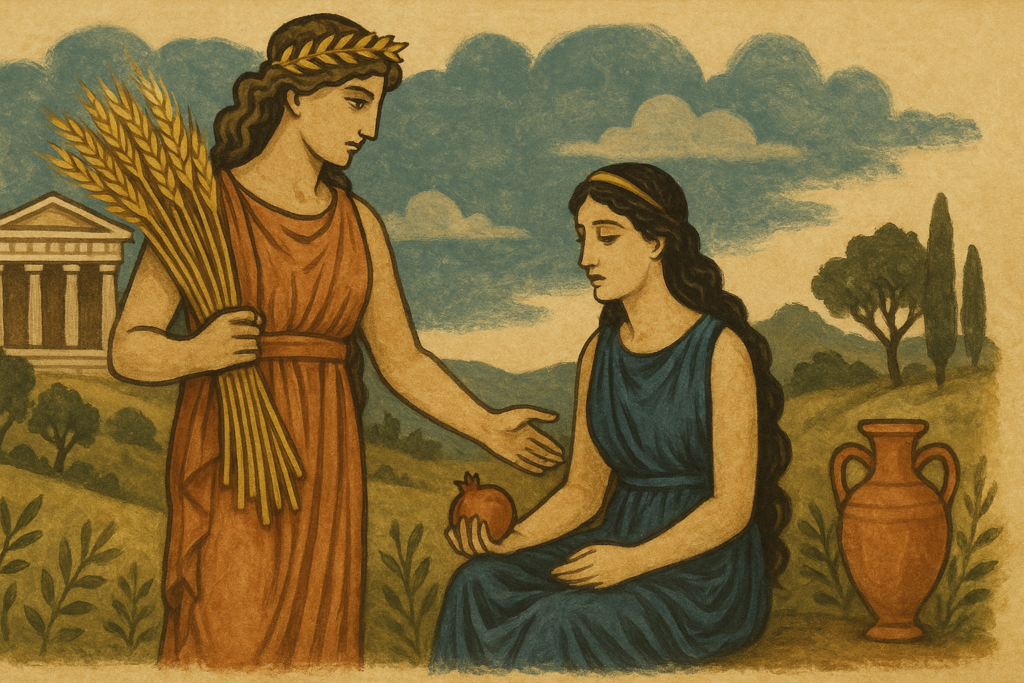
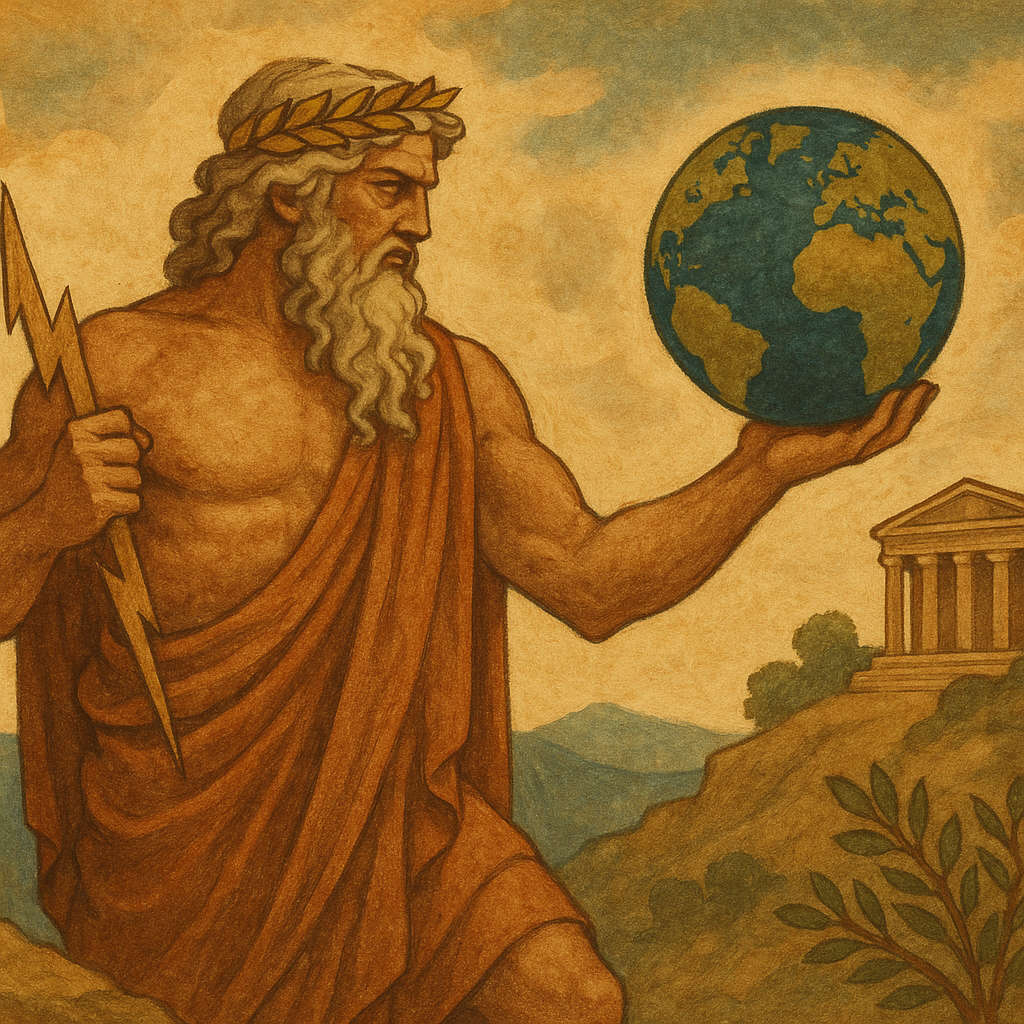
After establishing himself as the king of the gods, Zeus set about creating the world as we know it. According to Greek mythology, Zeus assigned different domains to his siblings: Poseidon became the god of the sea, Hades the god of the underworld, Hestia the goddess of the hearth, Hera the goddess of marriage, and Demeter the goddess of agriculture.
Zeus then created mankind, fashioning the first humans out of clay with the help of his son Prometheus. To provide humans with the gift of fire, Prometheus defied Zeus’ orders and stole it from Mount Olympus. As punishment, Zeus had Prometheus chained to a rock where an eagle would eat his liver every day, only for it to grow back overnight.
Zeus’ Role in Greek Mythology
As the king of the gods, Zeus played a central role in Greek mythology. He was worshiped as the ruler of the sky and the weather, controlling lightning, thunder, and rain. Zeus was also known for his numerous romantic escapades with both goddesses and mortals, resulting in the birth of many legendary heroes and demigods.
One of Zeus’ most famous feats was his defeat of the monstrous Titans, led by his father Cronus, in the Titanomachy. This epic battle established Zeus as the supreme deity in the Greek pantheon and solidified his position as the ruler of Mount Olympus.
Ancient Evidence and Interpretations
Ancient Greek mythology was passed down through oral traditions before being recorded in written form by poets such as Homer and Hesiod. The works of these ancient authors, such as the Iliad and the Theogony, provide valuable insights into the beliefs and stories of the ancient Greeks.
Modern scholars continue to study and interpret Greek mythology, drawing on archaeological evidence, literary sources, and comparative mythology to gain a deeper understanding of this ancient belief system. The stories of Zeus and the creation of the world offer a fascinating glimpse into the cultural and religious practices of the ancient Greeks.
Conclusion
In conclusion, Zeus, the king of the gods in Greek mythology, played a crucial role in the creation of the world and the establishment of the divine order. His epic battles, romantic escapades, and influential decisions shaped the course of ancient Greek mythology and continue to captivate audiences around the world today.