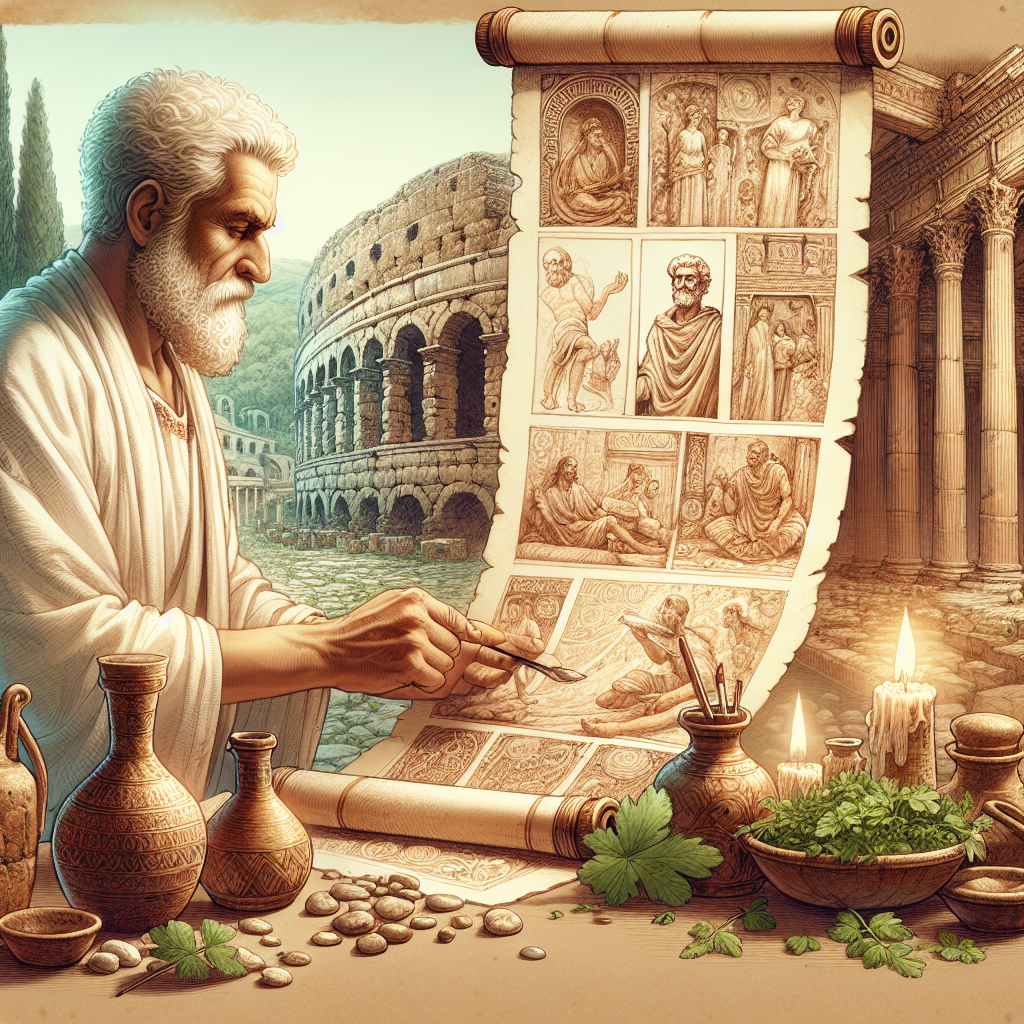
The Cultural Impact of Myths Beyond Rome
The Cultural Impact of Myths Beyond Rome Mythology, the collective narrative of a culture’s past beliefs and stories, serves not only as an avenue…
Read the story : The Cultural Impact of Myths Beyond RomeAncient Roman Mythology, deeply intertwined with the fabric of Roman society and culture, is a fascinating blend of indigenous Italian traditions and the extensive borrowing from Greek mythology, reshaped with unique Roman values and identities. This rich mythological tapestry features a vast pantheon of gods and goddesses, each overseeing different aspects of daily life, from the foundational tales of Romulus and Remus and the founding of Rome to the divine embodiments of virtues such as honor, strength, and fidelity. Roman myths encompass tales of heroism, the adventures of gods interacting with humans, and elaborate explanations of natural phenomena and cultural practices. Central to Roman religion and public life, these myths were not only the subjects of literature and art but also played a crucial role in festivals, state rituals, and the moral education of Roman citizens. This category delves into the stories of Jupiter, the king of the gods; Mars, the revered god of war; Venus, the goddess of love and beauty; and many others, exploring how their narratives influenced the Roman world view, reflected societal values, and contributed to the Romans’ understanding of their place in the cosmos.
The Cultural Impact of Myths Beyond Rome Mythology, the collective narrative of a culture’s past beliefs and stories, serves not only as an avenue…
Read the story : The Cultural Impact of Myths Beyond RomeThe myth of Cupid and Psyche stands as one of the most enchanting tales of love, conflict, and transformation in the annals of classical…
Read the story : Cupid and Psyche: Myths of Love and TransformationIn ancient Rome, where religion and mythology intertwined seamlessly with daily life, the Vestal Virgins held a sacred position that symbolized both purity and…
Read the story : The Role of the Vestal Virgins in Roman MythologyRoman mythology, a rich tapestry woven from a variety of cultural threads, has its genesis in the prehistoric beliefs and customs of ancient Italian…
Read the story : The Archaic Roots of Roman Myth: Prehistoric InfluencesThe Myth of Medusa: Roman Interpretations The myth of Medusa has fascinated cultures for centuries, evolving through various interpretations and representations. While often associated…
Read the story : The Myth of Medusa: Roman InterpretationsThe Significance of Fire and the Gods in Roman Rituals Fire has always occupied a central position in human history and culture, and in…
Read the story : The Significance of Fire and the Gods in Roman RitualsThe Mythology of Seasonal Changes in Ancient Rome The ancient Romans were deeply intertwined with the cycles of nature, observing how the changing seasons…
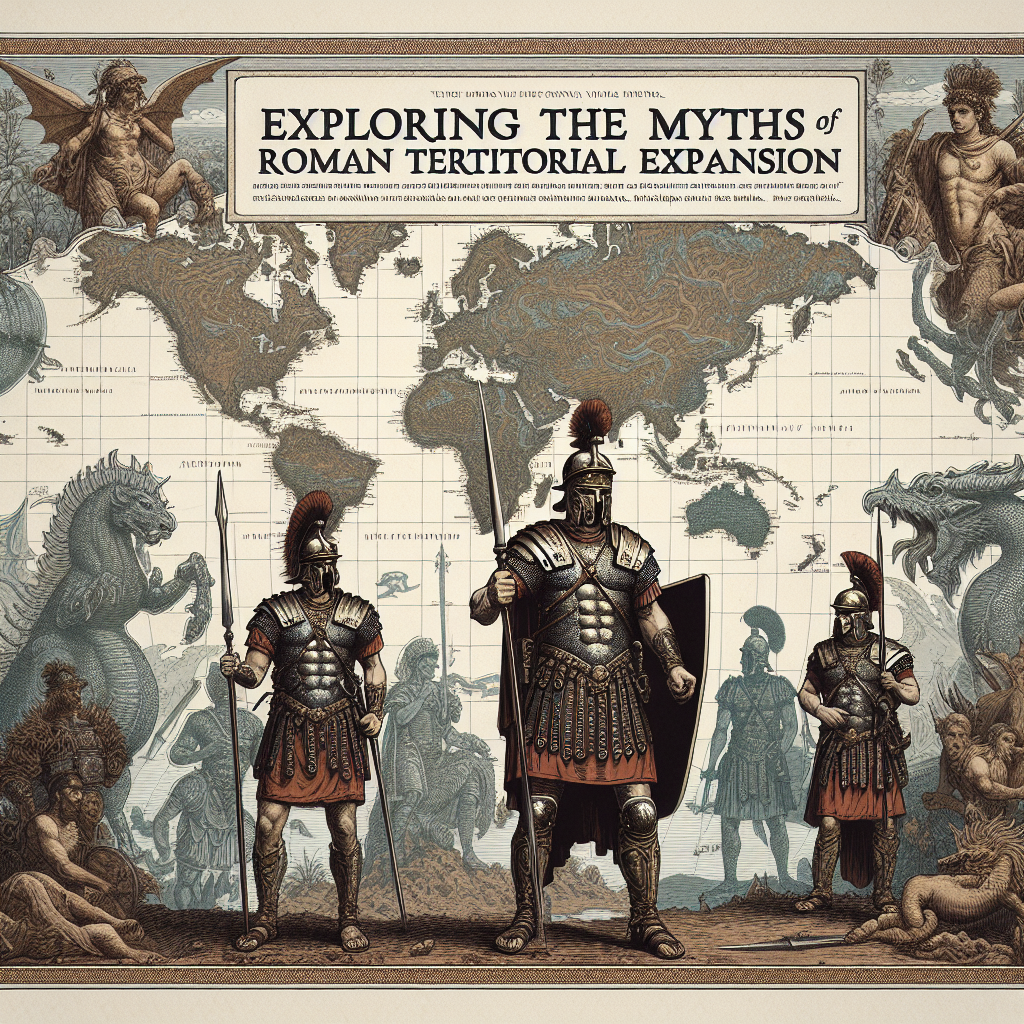
Read the story : The Mythology of Seasonal Changes in Ancient RomeThe Roman Empire, one of history's most expansive and influential civilizations, is often remembered for its vast territories and remarkable conquests. While the historical…
Read the story : Exploring the Myths of Roman Territorial ExpansionThe Role of Myth in Healing Practices of Ancient Rome In ancient Rome, healing practices were deeply intertwined with mythology, religion, and culture. Myths…
Read the story : The Role of Myth in Healing Practices of Ancient RomeThe Roman Triumvirate, a political alliance that shaped the course of Roman history, is steeped in myths, symbols, and intricate narratives that extend beyond…
Read the story : Myths and Symbols of the Roman TriumvirateThe Roman View of Death and the Afterlife The Roman perspective on death and the afterlife was a complex tapestry woven from deep-seated cultural…
Read the story : The Roman View of Death and the AfterlifeFortune and Chance: Mythological Perspectives in Rome In ancient Rome, the concepts of fortune (Fortuna) and chance played pivotal roles in shaping both societal…
Read the story : Fortune and Chance: Mythological Perspectives in Rome