The Myths Behind the Development of the Pyramid Structures
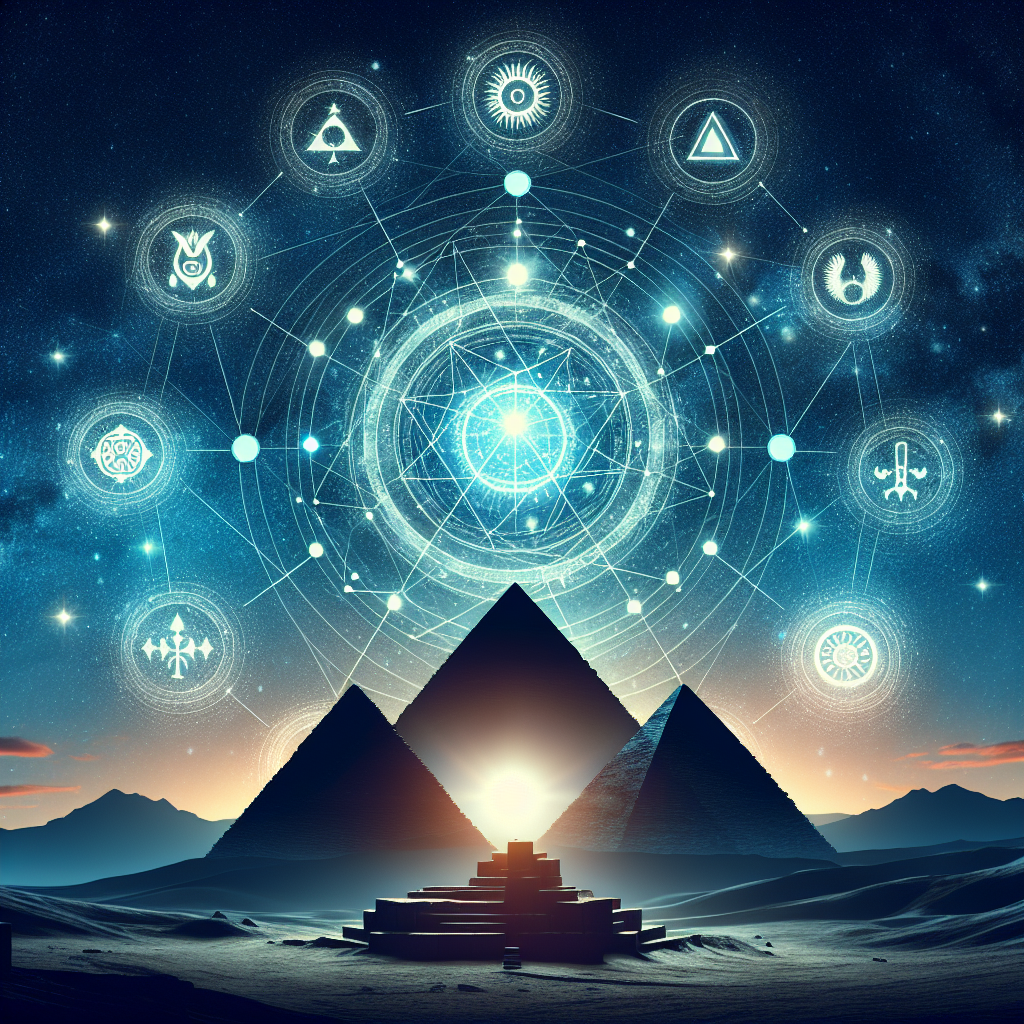
When we think of ancient civilizations, one of the most iconic symbols that springs to mind is the pyramid. These monumental structures have captured the imagination of people across the world for centuries, serving as tombs, monuments, and even temples. Despite the wealth of historical evidence, many myths and misconceptions surround the development of pyramid structures. This article aims to delve into the rich tapestry of myths and truths surrounding the origins and construction of these fascinating edifices.
The Origins of the Pyramid Structure
The basic idea of the pyramid can be traced back to various cultures around the world, but the most famous examples are the Egyptian pyramids, particularly the Great Pyramid of Giza. Traditionally, many believe that these structures were built as monumental tombs for pharaohs. This assertion is partly true, as they symbolized the pharaoh’s journey to the afterlife. However, the origins of pyramid building are shrouded in mystery, leading to various myths.
Myth 1: The Pyramids Were Built by Slaves
One of the most prevalent myths is that the Great Pyramid of Giza was constructed by thousands of enslaved people. This portrayal, popularized in films and literature, is not supported by historical evidence. Archaeological findings suggest that the workforce consisted primarily of skilled laborers who were well-fed, housed, and revered for their craftsmanship. These workers may have included seasonal laborers who participated in pyramid construction during the Nile’s flooding season, when agricultural work was impossible.
Myth 2: Pyramids Were the Result of Extraterrestrial Intervention
The idea that pyramids were built with the help of aliens often stems from a lack of understanding of the ancient cultures that created these structures. While it is easy to be awestruck by their precision and enormity, attributing their construction to extraterrestrial beings undermines the intelligence and ingenuity of the ancient civilizations. These societies possessed advanced knowledge in engineering, mathematics, and astronomy, which they utilized to produce one of humanity’s greatest architectural achievements.
Engineering Marvels
The Mathematical Precision of Pyramids
The construction of pyramids required sophisticated understanding of geometry and mathematics. Contrary to the myth that they were built haphazardly, the Egyptian builders employed intricate planning. For instance, the Great Pyramid is aligned with extraordinary precision to the cardinal points – north, south, east, and west. It is believed that they used a simple yet effective technique involving a “merkhet,” a tool used for tracking stars, to ensure proper orientation.
The Construction Techniques
Another prevalent myth wrongly suggests that the massive stone blocks used in pyramids were lifted using ramps that were fiercely steep. Modern scholars and archaeologists propose that the builders likely utilized a combination of straight and circular ramps, which would allow easier transportation of blocks. This theory is much more plausible and aligns with experimental archaeology, where modern builders have recreated similar conditions.
Cultural Context and Spiritual Significance
Myth 3: Pyramids Only Served as Tombs
While it’s well known that pyramids served as tombs for pharaohs, thus symbolizing their divine status, they also had spiritual and cultural significance. The purpose of the pyramid was not only to protect the body but also to facilitate the soul’s journey in the afterlife. The pyramids were intricately designed with chambers, shafts, and mortuary temples, allowing for rituals and offerings that honored the deceased. Thus, reducing them to mere burial sites disregards their role in the larger context of Egyptian belief systems.
Myth 4: Pyramids Were Built Overnight
Another enduring myth is the notion that the pyramids sprang up overnight, showcasing the miraculous capabilities of ancient builders. However, the reality is that the construction of a pyramid was a monumental task that often took decades to complete. The Great Pyramid of Giza, for example, is estimated to have taken over 20 years to build, involving thousands of laborers working in harmony. This myth inaccurately overlooks the complex social organization and resource management required for such an endeavor.
Pyramids Beyond Egypt
While Egyptian pyramids dominate the narrative, they are not the only examples of pyramid structures. Cultures from around the globe, including the Maya and Aztecs in Central America, constructed their own pyramid-like structures. These cultures also imbued their pyramids with religious significance, showcasing the universality of the pyramid form across civilizations. Myths about these structures, like the idea that they are merely echoes of Egypt’s superiority, can obscure the unique attributes and meanings inherent in different cultures’ pyramids.
Myth 5: All Pyramids Are the Same
This myth generalizes the diverse architectural structures found in various civilizations. For instance, while the pyramids of Giza are smooth and angular, the Mayan pyramids often feature step-ladders that lead to temples on top. Each pyramid serves a specific cultural and religious purpose, reflecting the unique beliefs and practices of the society that constructed it. Understanding pyramids as individual and culturally specific helps to appreciate the rich diversity of human ingenuity.
Conclusion
The myths surrounding pyramids often stem from a blend of cultural misunderstanding, simplistic storytelling, and a lack of awareness of ancient civilizations’ capabilities. The numerous achievements in engineering, astronomy, and spirituality that the builders of the pyramids exhibited deserve recognition and respect. Dispelling these myths encourages deeper appreciation for human history and ancient wisdom.
Pyramids are more than mere structures; they represent the aspirations, beliefs, and extraordinary achievements of human civilizations. As we continue to study and explore these magnificent edifices, we uncover truths that not only reshape our understanding of ancient cultures but also inspire admiration for human ingenuity and creativity in our modern world. By debunking myths and exploring the facts, we can honor the monumental legacies left behind by ancient societies and celebrate the stories that continue to resonate through time.