The Ethics of the Gods: Morality in Norse Mythology
Norse mythology, with its pantheon of gods, giants, and legendary heroes, offers a rich tapestry of narratives that reflect the ethical dilemmas and moral landscapes of its time. The gods, such as Odin, Thor, and Freyja, personify particular virtues and vices and navigate complex moral situations, often embodying the struggles of the human condition. This article explores the multifaceted ethics of Norse mythology, examining the notions of honor, fate, retribution, and the interplay between humanity and divinity.
The Nature of the Gods: Moral Ambiguity
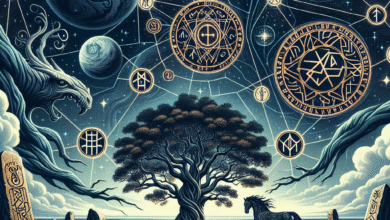
Norse gods are not omniscient or omnipotent; they exhibit vulnerabilities and make poor choices. Odin, the All-Father, is perhaps the most complex of the deities. His quest for knowledge drives him to make morally ambiguous decisions, including sacrificing himself on Yggdrasil, the World Tree, in pursuit of wisdom. This behavior blurs the lines between self-interest and altruism. Odin’s propensity for deception, particularly in the face of Ragnarok, demonstrates a utilitarian approach that prioritizes the greater good, albeit through morally questionable means.
Thor, on the other hand, embodies the archetype of the warrior, pursuing justice and honor in battle. However, his sometimes reckless and impulsive nature raises questions about the legitimacy of brute force as a means to achieve moral ends. These contradictions within divine characters illustrate the complexities of ethical behavior in a cosmology that does not adhere strictly to modern moral frameworks.
Honor and Reputation
In Norse culture, the concepts of honor and reputation are paramount. Heroes like Sigurd and Beowulf are celebrated for their bravery, loyalty, and achievements, but their actions are often driven by a desire for recognition and social standing. This emphasis on creating and maintaining a good reputation establishes a moral code anchored in community approval and legacy.
For example, the epic tale of the Völsungs echoes this theme through Sigurd’s quest for glory and the eventual tragic consequences of his actions. His pursuit of honor leads to betrayals, conflicts, and ultimately, his demise. This narrative serves as a cautionary tale about the perils of excessive pride and the fragile nature of honor.
Fate and Free Will
Central to Norse ethics is the concept of wyrd, or fate, which intertwines with the idea of free will. The Norns, female figures representing destiny, determine the fate of gods and mortals alike. This deterministic worldview raises profound ethical questions: If the gods are bound by fate, to what extent can they be held accountable for their actions?
Odin’s relentless pursuit of knowledge—underscored by his awareness of fate—suggests that while the gods may be bound to their destinies, they can still strive to influence outcomes. This tension between predestination and agency adds depth to moral dilemmas within the mythos. Characters like Loki exemplify this struggle; although he is often seen as a trickster, his actions lead to significant consequences that affect the fate of the gods and mankind.
Retribution and Justice
Retribution plays a vital role in Norse narratives. The concept of blood vengeance is prevalent, where families seek to avenge wrongs done to their kin. This code of honor is particularly exemplified in the saga of the Nibelungenlied, where cycles of revenge lead to catastrophic outcomes. Characters grapple with the desire for vengeance and the burden of guilt, emphasizing the consequences of their moral choices.
The gods, too, enact retribution, but their methods are often imperfect. For example, Loki’s betrayal ultimately results in severe punishment; he is bound and tormented, reflecting the moral principle of accountability. However, this also raises questions about the nature of justice in a world where the lines between good and evil are frequently blurred.
Humanity and the Divine
Norse mythology frequently portrays a dichotomy between human beings and gods. The gods, while powerful, exhibit distinctly human traits, grappling with emotions such as jealousy, love, and anger. This anthropomorphism renders the gods relatable, allowing humans to reflect on their own moral dilemmas through divine actions.
One of the most poignant examples is the relationship between Thor and his human counterparts. His interactions with mortals underscore the significance of courage, loyalty, and sacrifice. The gods often intervene in human affairs, blurring the line between divine justice and human morality. This interaction raises ethical questions about the influence of divine beings on human free will and morality.
The Role of Women and the Feminine
Women in Norse mythology often wield significant influence, though their roles are complex and multifaceted. Figures like Freyja and Skadi challenge traditional gender roles, embodying both strength and vulnerability. Freyja, a goddess of love and war, exhibits agency and power, engaging in battles and asserting her desires.
However, the depiction of goddesses is often intertwined with themes of tragedy and sacrifice. They, too, navigate the ethical frameworks of their society, facing dilemmas related to love, power, and loss. The feminine experience in Norse mythology enriches the ethical discourse, offering a perspective often overshadowed by male-driven narratives.
Conclusion: The Moral Landscape of Norse Mythology
The ethics of the gods in Norse mythology illustrate the complexities of morality within a framework shaped by fate, honor, and retribution. The richly woven narratives engage with themes of agency, the nature of good and evil, and the interplay between destiny and free will. While the gods often reflect human traits and struggles, their stories serve as profound reflections on the human condition.
As we explore these ancient narratives today, we are invited to consider our moral choices in an imperfect world, understanding that ethical dilemmas transcend time, creating a dialogue between the past and our present understanding of morality. Norse mythology, with its rich ethical tapestry, provides a deep reservoir of wisdom, urging us to reflect on the implications of our actions and the intricacies of human nature.