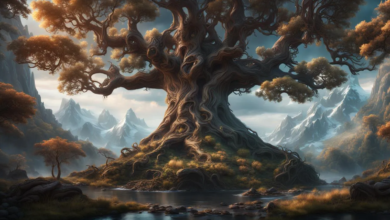

Norse Mythology and Its Impact on Modern Culture
Norse mythology, the body of myths of the North Germanic peoples, particularly those of Scandinavia, is a captivating tapestry of gods, giants, heroes, and cosmic events. Rooted in oral tradition, this rich cultural heritage has woven its way into the fabric of modern culture in various forms—from literature and film to art and even language. Understanding the impact of Norse mythology can provide insights into both its ancient significance and contemporary relevance.
The Pantheon: Gods and Goddesses
Central to Norse mythology is a diverse pantheon, with gods like Odin, Thor, and Freyja at the forefront. Odin, the All-Father, symbolizes wisdom, war, and death, while Thor, wielding his mighty hammer Mjölnir, represents strength and protection. Freyja embodies love and fertility, underscoring the complexities of human emotion and relationships. Each deity has unique attributes and stories, reflecting society’s values, fears, and aspirations in the Norse era.
These characters have transcended their mythological roots to influence modern storytelling. The allure of complex characters, moral dilemmas, and epic battles resonates in contemporary narratives, creating a bridge between ancient beliefs and modern-day storytelling paradigms.
Literature: A Resurgence
The 19th and 20th centuries marked a resurgence of interest in Norse mythology, particularly as writers sought to explore themes of adventure, heroism, and moral complexity. One significant figure is J.R.R. Tolkien, who drew inspiration from Norse myths to construct his epic narratives in “The Hobbit” and “The Lord of the Rings.” Tolkien’s fascination with mythic motifs and languages created a detailed universe that reflects the deep-seated human fascination with mythic storytelling.
In contemporary literature, authors like Neil Gaiman have revived Norse myths for new generations. His collection “Norse Mythology” reinterprets ancient tales, making them accessible and engaging for modern readers. Gaiman seamlessly blends traditional narratives with contemporary language, allowing these myths to resonate with today’s audience and illustrating their timeless themes of fate, hope, and the complexity of existence.
Film and Television: A New Era of Mythology
The impact of Norse mythology is palpable in modern film and television. Marvel Comics have transformed gods like Thor into pop culture icons, leading to blockbuster films that not only entertain but also introduce audiences to Norse legends. The Marvel Cinematic Universe portrays a mix of traditional tales and imaginative reinterpretations, blending superhero action with mythological elements. This trend has piqued interest in the original myths, prompting viewers to explore the deeper stories behind the characters.
Television series like “Vikings” and “History’s Vikings: War of Clans” further illustrate the appeal of Norse culture, combining history, legend, and fiction. They portray the Viking Age and its intersection with myth, exploring the lives of iconic figures like Ragnar Lothbrok while integrating mythological elements into the storytelling. Such narratives urge audiences to consider the interplay between history and mythology, encouraging a broader exploration of cultural heritage.
Art and Design: Aesthetic Influences
Norse mythology has also left a significant mark on the world of art and design. From traditional Viking carvings and runestones to contemporary illustrations, artists have continuously drawn inspiration from the vibrant stories told in these myths. The intricate designs seen in Norse art—intertwining animals, geometric patterns, and symbolic motifs—still influence modern artists and designers today.
Fashion has also seen a nod to Norse mythology, with symbols like the Valknut and the Helm of Awe becoming popular in jewelry and clothing designs. These symbols, rooted in ancient beliefs, emphasize personal strength and bravery, resonating with contemporary values around empowerment and resilience.
Language and Linguistics: Echoes of the Past
The linguistic impact of Norse mythology is evident in the etymology of words in modern English and other languages. Terms like “Wednesday” (derived from Odin’s day, Woden’s day) and “Friday” (derived from Freyja) have their origins in the Norse pantheon. Additionally, many place names and cultural references across Scandinavia can be traced back to these ancient stories, reinforcing a continuous connection to cultural heritage.
Moreover, Scandinavian mythology has influenced the conception of certain archetypes, such as the heroic journey and the trickster figure. These literary archetypes have become cornerstones of storytelling, evident in various cultural forms today—from films and novels to video games.
The Influence of Modern Paganism and Neo-Pagan Movements
The resurgence of interest in Norse mythology has led to the rise of modern Paganism and neo-Pagan movements, particularly Ásatrú, which seeks to revive and practice these ancient beliefs. Festivals celebrating Nordic gods and traditions, such as Midwinter and Midsummer, have gained traction, reflecting a growing societal interest in spirituality and connection to nature. This movement intertwines with discussions about cultural identity and heritage, as practitioners often explore their own connections to Viking ancestry.
Conclusion: A Timeless Legacy
The impact of Norse mythology on modern culture cannot be overstated. It has become a captivating source of inspiration across various domains, encouraging a fusion of ancient tales with contemporary narratives. The themes of heroism, identity, and moral complexity resonate with audiences today, confirming the enduring power of these stories.
As we navigate a world increasingly shaped by technology and globalization, returning to these ancient narratives offers an opportunity for reflection and understanding of humanity’s shared values and experiences. Norse mythology, with its rich tapestry of characters and tales, continues to invite exploration, interpretation, and appreciation, serving as a testament to our collective human experience and the timeless nature of storytelling itself.