Cassandra: The Gift of Prophecy and Its Curse

The figure of Cassandra looms large in ancient Greek mythology, a tragic embodiment of the complexities of knowledge, foresight, and the human condition. Her story is one of extraordinary gifts intertwined with profound suffering, representing the dual nature of prophecy—both a blessing and a curse. Delving into the myth of Cassandra offers insight into themes of fate, free will, and the often-unrecognized burdens of wisdom.
The Myth of Cassandra
Cassandra, the daughter of Priam, the king of Troy, was bestowed with the gift of prophecy by the god Apollo. According to the myth, Apollo fell in love with the beautiful mortal and, in an attempt to win her affections, offered her the ability to foresee future events. He promised her that she would possess unparalleled insight and knowledge. However, as the tales unfold, Cassandra spurned Apollo’s advances. Infuriated by her rejection, Apollo cursed her, ensuring that no one would ever believe her prophecies, no matter how accurate they were.
This contradictory gift and curse emblemize the broader conflict between knowledge and ignorance. While Cassandra could truly see the future—foreshadowing the fall of Troy, the dangers posed by the Trojan Horse, and the doom of her family—her warnings went unheeded. The dubbed ‘gift of prophecy’ thus turned into a source of anguish, as she was left to witness the unfolding of calamitous events without the ability to alter their course.
The Nature of Prophecy
Cassandra’s plight raises fundamental questions about destiny and free will. In many ways, her story highlights a central quandary of the human experience: even when armed with the knowledge of impending doom, how much agency do we truly possess? Cassandra’s clear visions implied that knowledge could paradoxically lead to helplessness. Her foresight was rendered useless as those around her dismissed her words, illustrating how truth can often become irrelevant in the face of disbelief and skepticism.
Her narrative resonates in contemporary discussions surrounding truth-telling. In an age where misinformation can spread rapidly, the struggle against disbelief remains a poignant existential theme. Cassandra’s warnings about the fall of Troy serve as a metaphor for the often-ignored voices that attempt to guide society toward greater understanding, only to be met with derision.
The Psychological Burden
Beyond the existential dimensions, Cassandra’s story also delves into the psychological implications of possessing profound insight. To foresee destruction without the ability to change it can induce a sense of powerlessness and despair. In Cassandra’s case, her gift was accompanied by a profound isolation—a feeling of being trapped in her own knowledge while the world around her remained oblivious. The experience of Cassandra resonates with many who feel burdened by a uniquely painful consciousness, an awareness of truths that others refuse to acknowledge.
This psychological strain is brilliantly articulated in various literary works inspired by her tale. Writers and artists have sought to explore the emotional and existential weight of such a burden, crafting narratives that highlight the isolation and sorrow that often accompany profound wisdom. These interpretations invite readers to reflect on the price of knowledge and the loneliness of being misunderstood.
Resonance in Literature and Art
Cassandra is a figure who has inspired countless interpretations across various mediums—literature, theater, poetry, and visual arts. Her story can be found echoing through works such as Aeschylus’s “Agamemnon,” where the tragic consequences of ignored prophecies culminate in personal and collective tragedy. In contemporary literature, authors such as Christa Wolf in “Cassandra” have reimagined her narrative, focusing on her perspective and the resilience she displays amid her despair.
The tragic essence of Cassandra has also influenced modern feminist discourse, exploring themes of female power, voice, and agency. In many interpretations, Cassandra is seen as a symbol of the silenced woman—her insights disregarded in a patriarchal society that values strength over intuition. She embodies the struggle against being perceived as untrustworthy or irrational, a battle that resonates with many women navigating similar societal dynamics today.
Cultural Significance
The figure of Cassandra has transcended her mythological roots to become a cultural icon. Her name has entered contemporary discourse as a descriptor for individuals who voice warnings that go unheeded. The term “Cassandra complex” refers to the phenomenon of being aware of risks or dangers that others fail to acknowledge or understand. In this light, her tale serves as a cautionary parable about the perils of ignorance and the vital importance of listening to voices of warning, especially in contexts as grave as environmental crises, political upheaval, or social injustices.
Cassandra’s significance extends to the realm of science and academic discourse, where the dismissals of prophetic voices have significant ramifications. Experts in various fields often find themselves in positions akin to that of Cassandra, where their informed warnings may be trivialized or ignored. The importance of heeding advice from those with specialized knowledge is a pressing issue in contemporary society, and Cassandra serves as a powerful reminder of what can happen when society fails to listen.
Conclusion
Cassandra’s story stands as a haunting exploration of the complexities of knowledge, the burdens of foresight, and the tragedy of being unheard. Her myth poses profound questions about fate and free will and resonates deeply with the human experience of suffering from unacknowledged insight. As we navigate an increasingly complex world, the lessons of Cassandra encourage us to reflect on our own perceptions of truth and the responsibilities that come with knowledge. The story of Cassandra may well be eternal, reminding humanity of the critical importance of listening, understanding, and acknowledging those who dare to speak the truth—even when it is uncomfortable.
Recommended reading
These are affiliate links. If you buy through them, we may earn a commission at no extra cost to you.
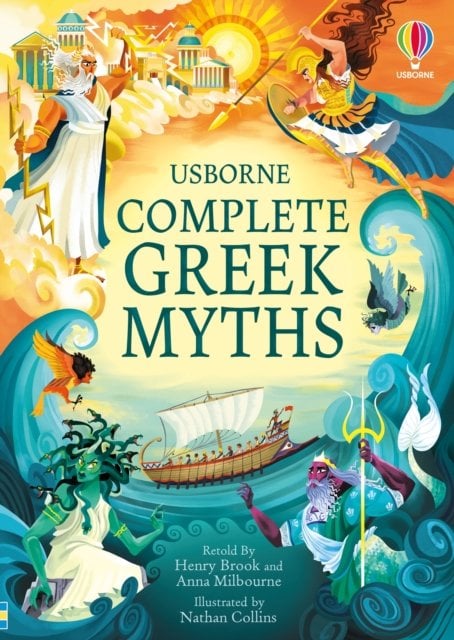
Complete Greek Myths: An Illustrated Book of Greek Myths
Featuring detailed retellings, beautiful character illustrations, and cultural background, this comprehensive volume brings the best-known and obscure Greek myths to life for readers of all ages. Complete with maps, a glossary, and a QR code for pronunciation guides and extra resources, it is an essential addition to any family bookshelf.
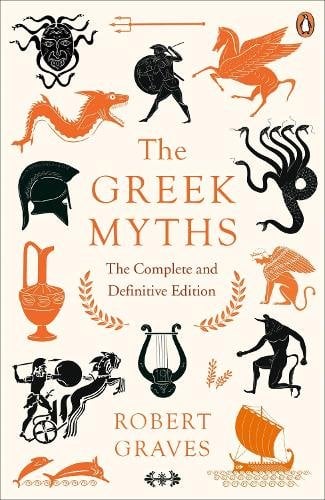
The Greek Myths: The Complete and Definitive Edition
Robert Graves’s definitive edition weaves the classic Greek myths, from the Labours of Hercules to the Trojan War, into one sweeping, authoritative narrative. Perfect for both first-time readers and classicists, this comprehensive volume combines engaging storytelling with detailed scholarly commentary and a complete index of names.
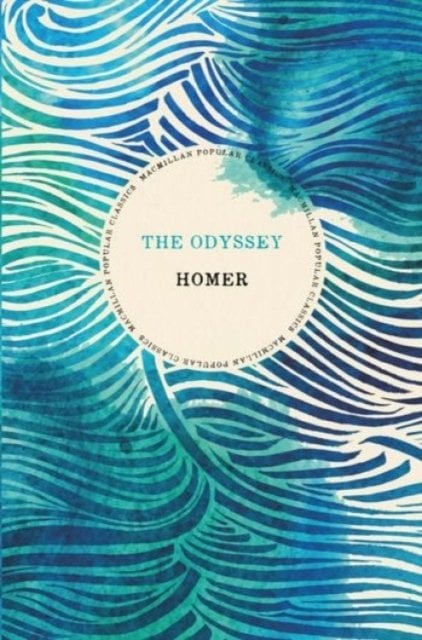
The Odyssey
Homer’s timeless epic The Odyssey follows the hero Odysseus on a perilous decade-long journey home from Troy, facing mythical monsters and divine wrath. Meanwhile, his wife Penelope and son Telemachus defend their kingdom against ruthless suitors in this classic tale of loyalty and endurance.