
Norse mythology, the rich tapestry of tales and beliefs held by the ancient Norse peoples, has left an indelible mark on the cultural, linguistic, and social fabrics of Scandinavia. From the dramatic sagas of gods and heroes to the intricate symbols found in art and literature, the legacy of Norse mythology continues to resonate in modern Scandinavian societies. This article explores the multifaceted influence of Norse mythology on contemporary culture, language, and the broader societal landscape of Sweden, Norway, Denmark, and Iceland.
Historical Context
Norse mythology encompasses the traditional stories of the Scandinavian people before the advent of Christianity, flourishing from approximately 800 to 1100 CE. Central to these beliefs were tales of deities like Odin, Thor, and Freyja, alongside a pantheon of other gods, giants, and fantastical creatures. The myths served to explain the natural world, human behavior, and the existential trials of life and death.
The decline of Norse paganism, precipitated by the spread of Christianity, did not erase these old beliefs but rather, integrated them into new Christian narratives. This synthesis allowed elements of Norse mythology to endure, shaping the cultural heritage of the Nordic countries.
Cultural Identity
In modern Scandinavia, Norse mythology serves as a foundation for a shared cultural identity. This is particularly evident in Iceland, where the sagas of the Icelandic sagas are preserved in their original form, providing insight into the Viking Age and the customs of early Scandinavians. Events like Þorrablót, a midwinter festival, draw on ancient traditions, celebrating Norse heritage through food, music, and folklore.
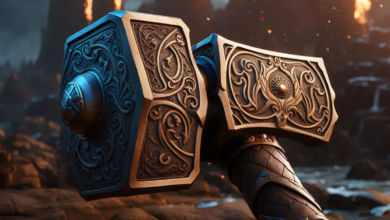
Similarly, symbols from Norse mythology, such as the hammer of Thor (Mjölnir) and Ægishjalmur (the Helm of Awe), are often used as emblems of strength, protection, and identity. They are prominently featured in jewelry, tattoos, and even official insignia, symbolizing a connection to ancestry and the valor of the past.
Literature and Arts
The impact of Norse mythology on literature has been profound. The Poetic Edda and the Prose Edda, foundational texts compiled in the 13th century, continue to inspire writers, poets, and artists. Modern literature often draws from these ancient texts, showcasing a revival of interest in Norse themes and characters.
Contemporary authors like Neil Gaiman, in his book “Norse Mythology,” and Rick Riordan, through his “Magnus Chase and the Gods of Asgard” series, have revived these age-old tales for new generations, mixing them with modern narratives. This resurgence indicates a dynamic reinterpretation of mythology that keeps it relevant and engaging.
Visual arts have also embraced Norse themes. The Viking Age’s intricate wood carvings, metalwork, and runes influenced modern Scandinavian design. Norse motifs appear frequently in contemporary architecture, public art, and graphic design, embedding mythological elements within everyday life.
Language and Linguistics
The linguistic heritage of Norse mythology is evident in the Scandinavian languages, where words and phrases derived from Old Norse persist. Many English words, particularly those associated with the sea, war, and the natural world, can trace their etymology back to Norse roots. For example, days of the week in English owe their names to Norse gods; Thursday is named for Thor, while Wednesday honors Odin (Woden).
In Scandinavian languages, terms derived from mythology continue to enrich modern vernacular. Place names across the region frequently reflect mythological significance, with locations named after figures such as Thor and Freyja, linking contemporary society back to its ancient heritage.
Festivals and Popular Culture
Festivals celebrating Norse mythology are a part of the contemporary cultural landscape. Events such as the Viking Market in Norway and various pagan festivals showcase traditional Nordic customs, craftsmanship, and the retelling of mythological stories through performances and reenactments. These festivals foster community, drawing both locals and tourists, eager to connect with the history and legends of the past.
In popular culture, Norse mythology has permeated film and television. The Marvel Cinematic Universe brought Thor and Loki to a global audience, often sparking interest in the more traditional tales behind these characters. While Hollywood adaptations take liberties with the stories, they introduce many to the core elements of Norse mythology, prompting interest in the original sources.
Additionally, video games like “God of War” and the “Assassin’s Creed” series delve into Norse mythological settings, combining mythology with interactive storytelling. These platforms engage younger audiences, finding novel ways to interpret and experience ancient tales.
Spiritual Revival
In recent decades, there has been a resurgence of pagan practices, including Ásatrú and other Norse-inspired spiritual paths. These modern movements often draw upon historical texts and reconstructed rituals, offering adherents a way to connect with their ancestral heritage. This revival reflects a broader interest in polytheism and nature-based belief systems, resonating particularly in a region rich with these ancient traditions.
Communities dedicated to the worship of the Norse pantheon have emerged, celebrating seasonal festivals that reflect the cycles of nature, alongside the values embedded in ancient texts. This spiritual revival not only signifies a yearning for connection with the past but also provides a framework for ethical living and community-building for many individuals today.
Conclusion
The legacy of Norse mythology is woven into the very fabric of Scandinavian culture, identity, and society. From literature and art to festivals and language, its influence permeates modern life, enriching the contemporary experience with a profound connection to the past. As the region continues to evolve, Norse mythology remains a touchstone for understanding not just a rich historical narrative but also the values, beliefs, and identity that define modern Scandinavia. The stories of gods, heroes, and ancient customs will likely endure, ensuring that the legacy of Norse mythology continues to inspire and unite future generations.