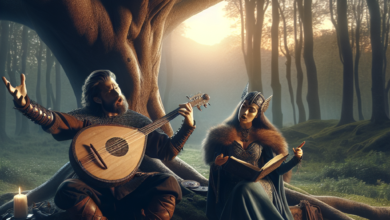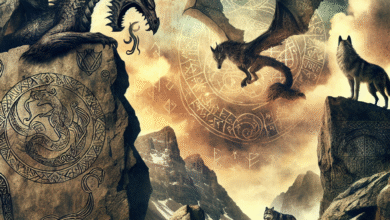
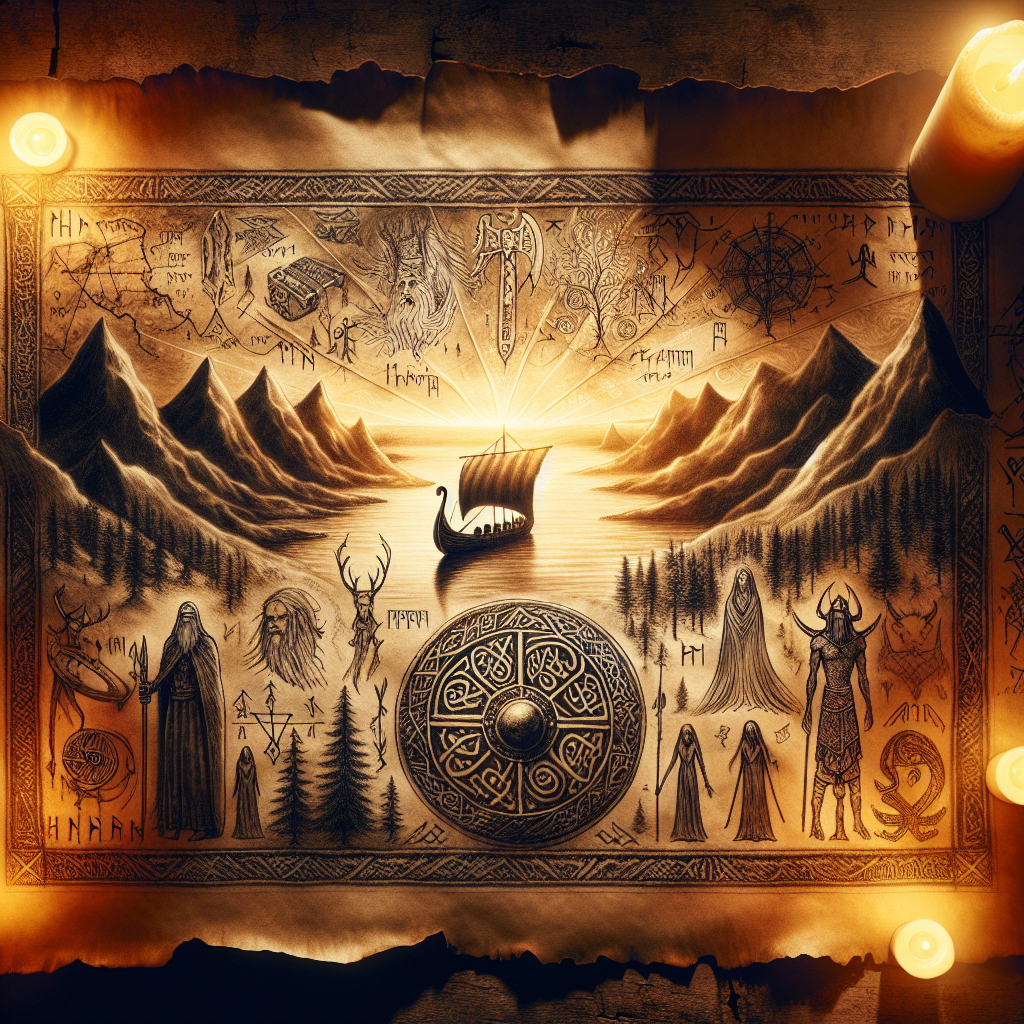
The Norse mythology, rich with tales of gods, heroes, and cosmic struggles, presents a unique perspective on life, death, and the journey of the soul. Unlike many contemporary beliefs that center around a singular afterlife or judgment, Norse cosmology offers a complex view of what occurs after death, grounding these beliefs in a tapestry of mythology, rituals, and cultural practices.
The Cosmology of Life and Death
In Norse culture, the universe is divided into nine realms, each with its own purpose and inhabitants. The most prominent among these realms is Asgard, home to the Aesir gods, and Midgard, the world of humanity. Beyond these realms lies Hel, where souls of the deceased might find themselves. However, not every deceased soul ends up in Hel, reflecting the varied outcomes based on how one lived their life.
Valhalla: The Warrior’s Paradise
For the brave warriors who die in battle, the afterlife holds a special place. They are welcomed into Valhalla, the grand hall of the slain, ruled by Odin, the chief of the gods. Here, the spirits of fallen warriors, known as the einherjar, engage in endless feasting, fighting, and camaraderie. Each day, they battle and practice their skills, only to be resurrected each evening, illustrating the Norse belief in honor and valor in life. This portrayal emphasizes courage, loyalty, and the warrior ethos that was vital to Norse society.
Hel: The Realm of the Unheroic
Not all souls are destined for Valhalla. Those who meet their end through illness, old age, or misfortune find themselves in Hel, which is governed by the being of the same name. Unlike the common misinterpretation of Hel as a place of punishment, it serves as a neutral domain for those who lived ordinary lives. Hel’s underworld, with its icy rivers and misty landscapes, symbolizes the inevitability of death and the acceptance of a natural fate. It offers a space for reflection rather than torment, showcasing the Norse understanding of death as an integral part of life’s cycle.
The Importance of Burial Practices
In Norse culture, the treatment of the dead was taken seriously, particularly regarding how to ensure a successful journey to the afterlife. Burial practices varied widely, from ship burials to cremation. These rituals were laden with significance, aiming to honor the deceased and provide them with the means to navigate their afterlife.
Ship Burials
One of the most iconic practices was ship burial, famously epitomized in the burial of iconic figures like the Viking king, Harald Bluetooth. The body was placed on a ship, often surrounded by goods, weapons, and even sacrifices, before being set aflame or buried in the ground. The ship acted as a vessel to transport the soul to whatever afterlife awaited them, mirroring the Vikings’ deep connection to the sea and their belief in navigation.
Rites of Passage
Rituals played a crucial role in transitioning from life to death. These ceremonies, often marked by feasts, songs, and sacrifices, were essential for ensuring that the deceased’s journey was accompanied by the necessary support. Such rites articulated communal grief while reinforcing social bonds, emphasizing the collective nature of the Norse understanding of death.
The Role of Fate and Destiny
Fate, or “wyrd,” figures prominently in Norse philosophy, suggesting that every individual is intertwined with the threads of destiny. The concept of the Norns—three female figures representing fate—illustrates that life and death are part of an intricate tapestry, woven from the past, present, and future. This perspective imbues death with a sense of inevitability and purpose, shaping how Norse people perceived their lives.
Death as a Natural Component of Existence
The Norse did not view death as merely an ending but as a transition. The cyclical nature of their cosmology underscores that death leads not to despair but to continuity—both in the material and spiritual realms. Life, death, and rebirth are interlinked, echoing the changing seasons and the agricultural cycles that dominated Norse life. This holistic view allowed for acceptance of mortality and grief, framing death as a significant chapter in a grand narrative.
The Afterlife and the Soul’s Journey
The concept of the soul in Norse belief systems is complex, divided into several components, including “hugr” (thought), “minni” (memory), and “fylgja” (follower or spirit companion). Upon death, these elements disperse, ultimately determining the fate of the soul. The Norse envisioned the soul’s journey as a path through various realms, each with its own trials and tribulations.
The Journey to Hel
For souls destined for Hel, the journey is fraught with challenges. The dead must cross the river Gjöll, often depicted as a perilous crossing that tests the spirit. In this way, the journey reflects not only the finality of death but also an exploration of one’s life, thoughts, and resolve. Traversing this landscape serves as a powerful metaphor for facing one’s own existence and the impact one has made.
Culture’s Legacy
Norse views on death serve as a testament to the culture’s resilience and understanding of life’s impermanence. The valorization of the warrior ethos, the intricate burial practices, and the acceptance of fate showcase a society that grapples with mortality through ritual, myth, and introspection.
Contemporary Norse-inspired communities and neopagan practices continue to explore these themes, finding relevance in the ancient beliefs about death and the afterlife. Whether through literature, reenactments, or spiritual movements, the Norse journey of the soul remains a powerful symbol of courage, reflection, and the continuity of life beyond death.
In conclusion, the Norse perspective on death is a compelling tapestry woven from narratives of bravery, acceptance, and collective memory, offering a profound understanding of the soul’s journey in the face of life’s inevitable end.