Goddesses of Fate and Fortune in Norse Culture
Norse mythology is rich with tales of deities, heroism, and cosmic interactions woven into the fabric of existence. Among the myriad figures populating this ancient belief system, the Goddesses of Fate and Fortune stand out as particularly fascinating entities. They interplay between predetermined destiny and the unpredictable nature of fortune, influencing both gods and mortals alike. Among the most notable of these figures are the Norns and Freyja, each embodying unique aspects of fate and luck in Norse culture.
The Norns: Weavers of Fate
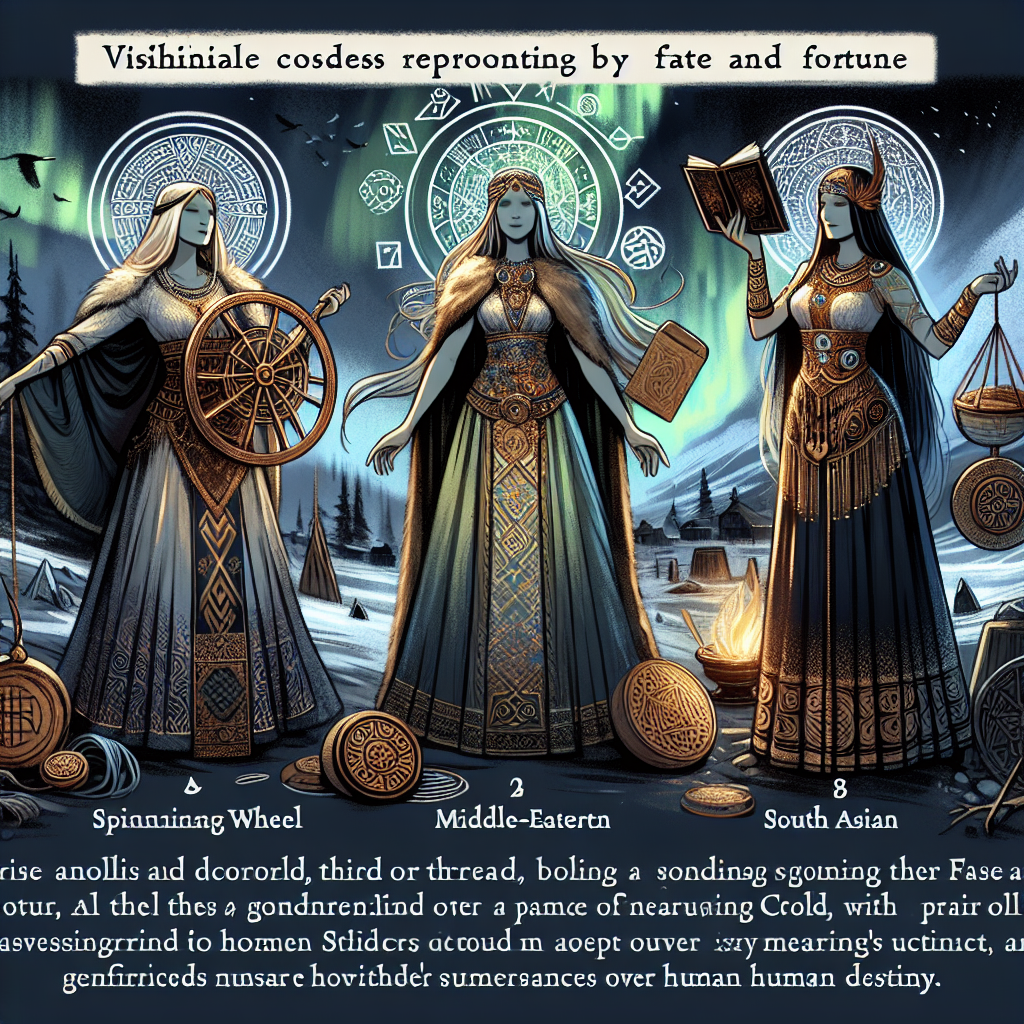
The primary figures associated with fate in Norse mythology are the Norns, three powerful goddesses who govern the destinies of gods and humans. Their names—Urd (the past), Verdandi (the present), and Skuld (the future)—reflect their roles in weaving the threads of fate. The Norns are often depicted sitting by a sacred well (the Well of Urd) at the base of Yggdrasil, the World Tree. Here, they draw water to sprinkle on the roots of the tree, ensuring its health and the stability of the cosmos.
Urd: The Past
Urd, as the embodiment of fate that has already been woven, symbolizes the weight of history and the inevitability of consequences. In Norse thought, understanding the past is crucial for navigating the present and future. Urd’s presence signifies that past actions, both good and bad, shape one’s destiny. This concept reflects a belief in the cyclical nature of time common in many ancient cultures, where past deeds reverberate through generations.
Verdandi: The Present
Verdandi represents the present moment, the realm where choices are made and actions are taken. She embodies decision-making, emphasizing the importance of living in the present and understanding that each action has the power to influence the future. In this sense, Verdandi teaches that while fate is predetermined, it can also be actively shaped by one’s current choices. Thus, she highlights the balance between destiny and free will in the Norse worldview.
Skuld: The Future
Skuld, the Norn of the future, embodies all potential outcomes and the uncertainties that lie ahead. She symbolizes the hopes and fears that come with what is yet to come, serving as a reminder that while actions are taken in the present, their results may vary. Skuld’s elusive nature suggests that the future is not just a continuation of the past and present, but a dynamic space filled with possibilities, emphasizing the unpredictability of life.
Freyja: The Goddess of Love, War, and Wealth
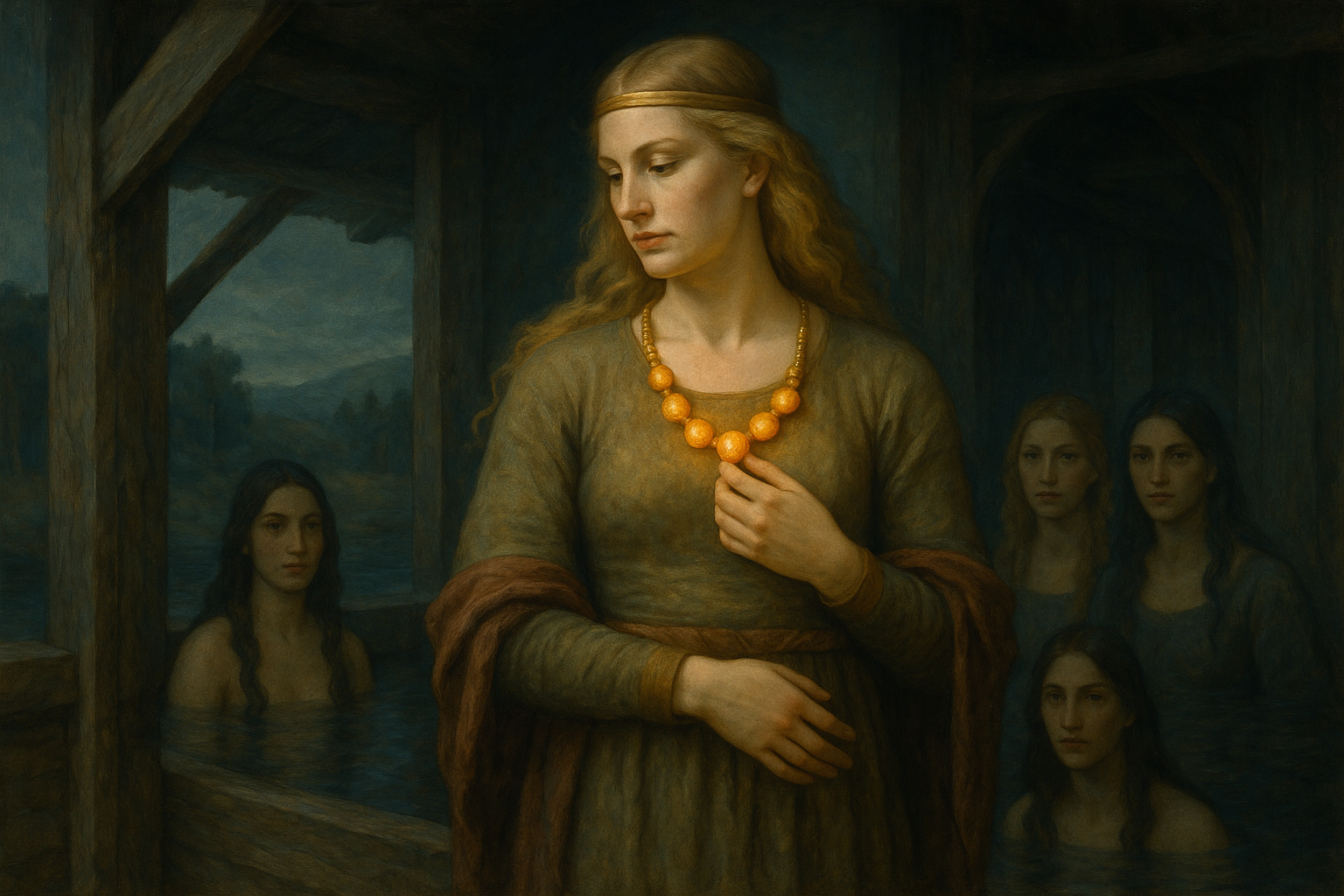
While the Norns govern fate with an iron grip, another goddess, Freyja, offers a more nuanced approach to fortune and destiny. A member of the Vanir tribe of gods, she is often associated with love, beauty, and fertility but also with war, magic, and fortune. Freyja represents a multifaceted aspect of existence and emphasizes the interplay between human emotions and the whims of fate.
Freyja and Wealth
Freyja’s association with wealth and prosperity makes her a figure of fortune in Norse culture. Not only does she preside over the realm of love and desire, but she is also closely linked to material gain. The goddess often grants blessings in matters of abundance, guiding her followers toward prosperity in their endeavors. As a result, worshippers would seek her favor for successful harvests, profitable trades, and general well-being.
Freyja and Choice
Unlike the Norns, whose roles are largely predetermined and immutable, Freyja offers a sense of agency and choice. Her followers believe that she can influence fortune through her favor or disfavor. This dynamic relationship fosters a sense of hope and empowerment, emphasizing that while fate is a force to be reckoned with, individuals can still influence their paths through devotion, willpower, and choices.
The Role of the Valkyries
Freyja’s connection to fate is further accentuated by her role as the leader of the Valkyries, warrior maidens who choose those who will die and those who will live in battle. This aspect links her to fate in the context of warfare—a significant theme in Norse culture. The Valkyries not only determine the fates of warriors but also escort the honored dead to Freyja’s hall, Folkvangr, where they can enjoy an afterlife of feasting and valor.
The Interplay of Fate and Fortune
The Norns and Freyja represent the duality of fate and fortune within Norse mythology. The often seemingly harsh determinism of the Norns contrasts sharply with Freyja’s more fluid relationship with the outcome of individual lives. This dichotomy echoes broader themes in Norse culture, where individuals are often caught between the unyielding chains of fate and the opportunities presented by fortune.
Cultural Implications
The reverence for these goddesses reflects deep-seated beliefs in Norse society. The acknowledgment of fate’s inescapability contrasts with the recognition of personal agency and the potential for change. This duality fosters a mindset that promotes resilience and adaptability, vital traits for survival in the harsh and often unpredictable Nordic environment.
Moreover, the Norns and Freyja also highlight the significance of women in Norse culture. While many aspects of Norse mythology glorify masculine heroism, the goddesses of fate and fortune underscore women’s crucial roles in shaping the cosmos. They are not passive figures; their actions and choices have profound impacts on both divine and mortal realms.
Conclusion
The goddesses of fate and fortune in Norse culture—the Norns and Freyja—embody complex yet complementary aspects of existence. While the Norns weave a predetermined tapestry of destiny, Freyja introduces an element of free will, luck, and personal empowerment. Together, they illustrate a rich interplay between fate, choice, and the unpredictable nature of fortune.
In a world where outcomes often seemed governed by forces beyond comprehension, the reverence for these deities reflected a profound understanding of life’s complexities. The legacies of these goddesses continue to resonate, encapsulating timeless lessons about agency, accountability, and the intertwined destinies of gods and mortals. In their stories, we find reflections of our struggles and aspirations, offering wisdom that transcends time and culture.