The Mystical Realm of Alfheim: Home of the Elves
Alfheim, a captivating realm steeped in enchantment, serves as one of the Nine Worlds in Norse mythology. Known as the home of the elves, Alfheim is a land where mysticism, beauty, and magic intertwine, crafting a narrative that continues to inspire fantasy literature, art, and popular culture. This article delves into the origins, characteristics, and significance of Alfheim, providing a glimpse into its ethereal splendor and enduring legacy.
Origins and Mythological Context
Alfheim, also referred to as Álfheimr, is one of the realms connected by Yggdrasil, the World Tree, which binds the Norse cosmos. It is often depicted as a luminous and vibrant landscape inhabited by both light and dark elves, known respectively as Ljósálfar and Dökkálfar. The light elves are described as benevolent beings associated with light, beauty, fertility, and the natural world. The dark elves, on the other hand, are considered more mysterious and sometimes malevolent, dwelling in the shadows of the earth.
In the vast tapestry of Norse mythology, Alfheim is said to be ruled by the fertility god Freyr, who is associated with prosperity and abundance. Freyr’s connection to Alfheim emphasizes the realm’s lush nature, where life flourishes, and magic abounds. This association also highlights the elves’ role in agriculture, ensuring bountiful harvests and harmonious connectivity between nature and humanity.
Landscape and Aesthetics
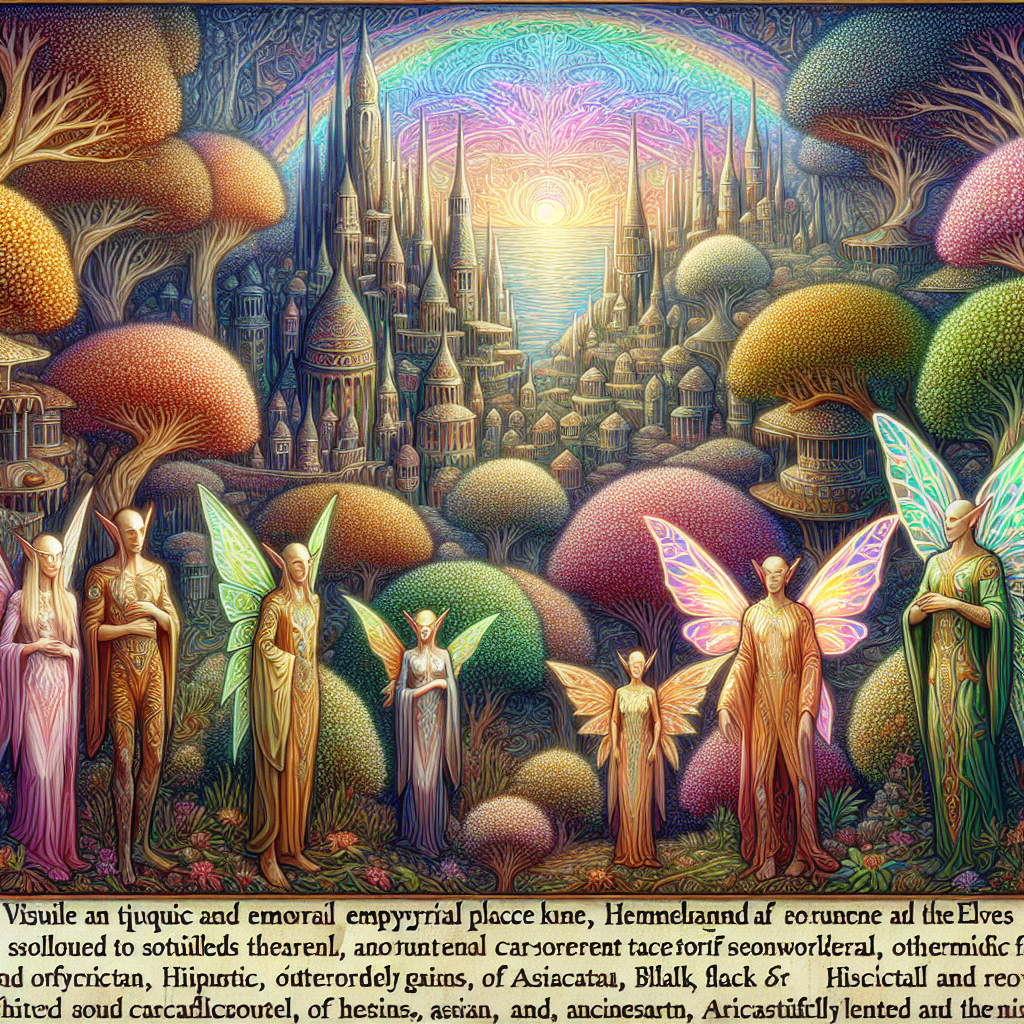
Alfheim is often depicted as a paradise filled with radiant light, shimmering landscapes, and otherworldly beauty. Imagine vast meadows adorned with vibrant wildflowers, towering trees, crystalline rivers, and ethereal beings that flit gracefully through the air. The realm reflects a sense of tranquility and harmony with nature, where the boundaries between the physical and the magical are delightfully blurred.
The light elves are often portrayed with luminous skin and hair that resembles spun gold, embodying their celestial connection. They are known for their exceptional beauty and skill in arts and crafts, creating intricate items infused with magic. This artistry contributes to the mystical ambiance of Alfheim, filling it with wonders beyond imagination.
The Role of Elves in Alfheim
The elves of Alfheim play a multifaceted role within the Norse mythos. While light elves are praised for their ability to bring fertility, prosperity, and joy, dark elves invoke intrigue and caution. Their duality represents the balance between the forces of good and evil, light and darkness, mirroring the complexities of the human experience.
One of the most notable representations of elves in Norse mythology is their involvement in crafting. They are regarded as master artisans, creating weapons, jewelry, and magical artifacts with unparalleled skill. The legendary items crafted by elves, such as Thor’s hammer, Mjölnir, and Odin’s ring, Draupnir, are testament to their extraordinary craftsmanship and significance within the mythological narrative.
Alfheim’s elves are also associated with the cycles of nature. They are believed to govern the changing seasons, guiding the earth through periods of growth and dormancy. This connection to nature reinforces their role as guardians of the mystical balance within the universe.
Alfheim in Literature and Popular Culture
The allure of Alfheim and its enchanting inhabitants has captivated storytellers throughout the ages. From the poetic Eddas to contemporary fantasy literature, the magical realm has inspired countless works that highlight the elegance and mystique of elves. J.R.R. Tolkien’s portrayal of elves in “The Lord of the Rings” and C.S. Lewis’s depiction in “The Chronicles of Narnia” draws on Norse influences, embedding the essence of Alfheim within their narratives.
In modern fantasy settings, Alfheim serves as a popular reference point, with many writers and creators using its lush landscapes and ethereal characters as inspiration for their own worlds. Video games, tabletop role-playing games, and films have incorporated the realm’s beauty and mystique, allowing individuals to explore the enchanting world of elves through immersive experiences.
The Modern Relevance of Alfheim
The themes rooted in Alfheim resonate deeply with contemporary audiences. As society grapples with issues of environmental preservation, the importance of harmony with nature, and the quest for inner peace becomes paramount. Alfheim symbolizes the possibility of a world where magic and nature coexist, inspiring people to reconnect with their surroundings and seek beauty in simplicity.
Moreover, the duality of the elves reminds us of the balance between light and darkness present in our lives. The acceptance of these contrasting forces encourages self-awareness and growth, inviting individuals to embrace both their strengths and weaknesses.
Conclusion
Alfheim, the ethereal home of the elves, remains a vibrant symbol of beauty, magic, and harmony. Its rich mythology and landscapes captivate our imagination, inviting us to explore the depths of fantasy and the connections that bind us to nature and each other. As we venture into our own lives, we can carry the essence of Alfheim with us, seeking to honor the delicate balance between the light and darkness within our own journeys. In the ever-turning pages of time, the mystical realm of Alfheim will continue to inspire those drawn to its enigmatic allure and timeless wisdom.