Norse Heroes: Exploring the Human Element in Myth
Norse mythology, with its pantheon of gods, giants, and mystical beasts, teems with tales of valor, bravery, and the indomitable human spirit. The heroes found within this complex framework of stories represent not just physical strength or martial prowess, but deeper human qualities that resonate through time. Exploring these characters offers a glimpse into the values, fears, and aspirations of the Norse people, shedding light on the human element in their mythic narratives.
The Nature of Norse Heroes
Unlike the perfect gods of other mythologies, Norse heroes are imbued with flaws and vulnerabilities, making them relatable figures. They are often caught in the swirl of fate, wrestling with their destinies shaped by the Norns, the weavers of fate. One exemplary figure is Sigurd, the dragon slayer. He is courageous, determined, and heroic, yet his life is also marked by betrayal, loss, and tragedy. Sigurd’s story encapsulates the essence of heroism in Norse mythology — it is fraught with sacrifice and the inevitable approach of doom, which adds a layer of complexity to his bravery.
Themes of Honor and Valor
Central to the identity of Norse heroes is their commitment to honor and valor, ideals deeply ingrained in Viking culture. This commitment extends beyond personal glory; it encompasses protecting one’s family, clan, and legacy. Heroes like Beowulf, who famously battles Grendel and later a dragon, represent not merely the quest for fame but the weight of responsibility. Beowulf’s actions are driven by loyalty and the desire to uphold his reputation, reflecting a societal expectation of heroism that prioritizes communal well-being over individual ambition.
The tales also highlight the concept of “fate” (or “wyrd”), portraying heroes as individuals attempting to carve their paths despite preordained destinies. This adds a poignant layer to their journeys, illustrating a struggle against insurmountable odds. The tension between personal agency and fate emphasizes the human experience — a universal theme applicable in any era.
Loyalty and Camaraderie
Another human element that permeates Norse hero tales is the bond of loyalty among comrades. The concept of “hyggr,” or fellowship, is woven through the sagas, emphasizing that true heroism often requires collaboration and support from others. The stories of the Valkyries, powerful female figures who select those who may die and those who may live in battles, highlight this motif of loyalty. Valkyries not only serve the gallant but also embody the idea of choosing allies wisely in hopes of elevating oneself and the community.
In the narrative of the “Saga of the Volsungs,” one finds a profound exploration of loyalty. Sigurd’s friendship with Gunnar and their shared struggles illustrate the strength derived from camaraderie. Despite the tragic fate that ultimately befalls them, the motifs of loyalty and sacrifice resonate powerfully, underlining that these virtues are often the hallmarks of true heroism.
The Fragility of Human Experience
Contrasting with the grandeur of their deeds, Norse heroes embody the fragility of human existence. The tales often emphasize their emotional struggles, providing depth and highlighting their humanity. Take the tragic fate of Odin’s son, Baldr, who is killed by a trickster god, Loki. Baldr’s death, a pivotal moment in Norse mythology, underscores not just the inevitability of fate but the real emotional despair it brings to gods and humans alike. His story furthers the theme that true heroism often involves confronting unavoidable loss and understanding that mortality is a defining aspect of existence.
These narratives also reflect a nuanced exploration of morality, inviting readers to consider ethical dilemmas. The actions and motivations of heroes may be scrutinized, showcasing how even noble intentions can lead to unforeseen consequences. This imperfection draws audiences closer to these figures, allowing for a deeper emotional connection.
Female Heroism
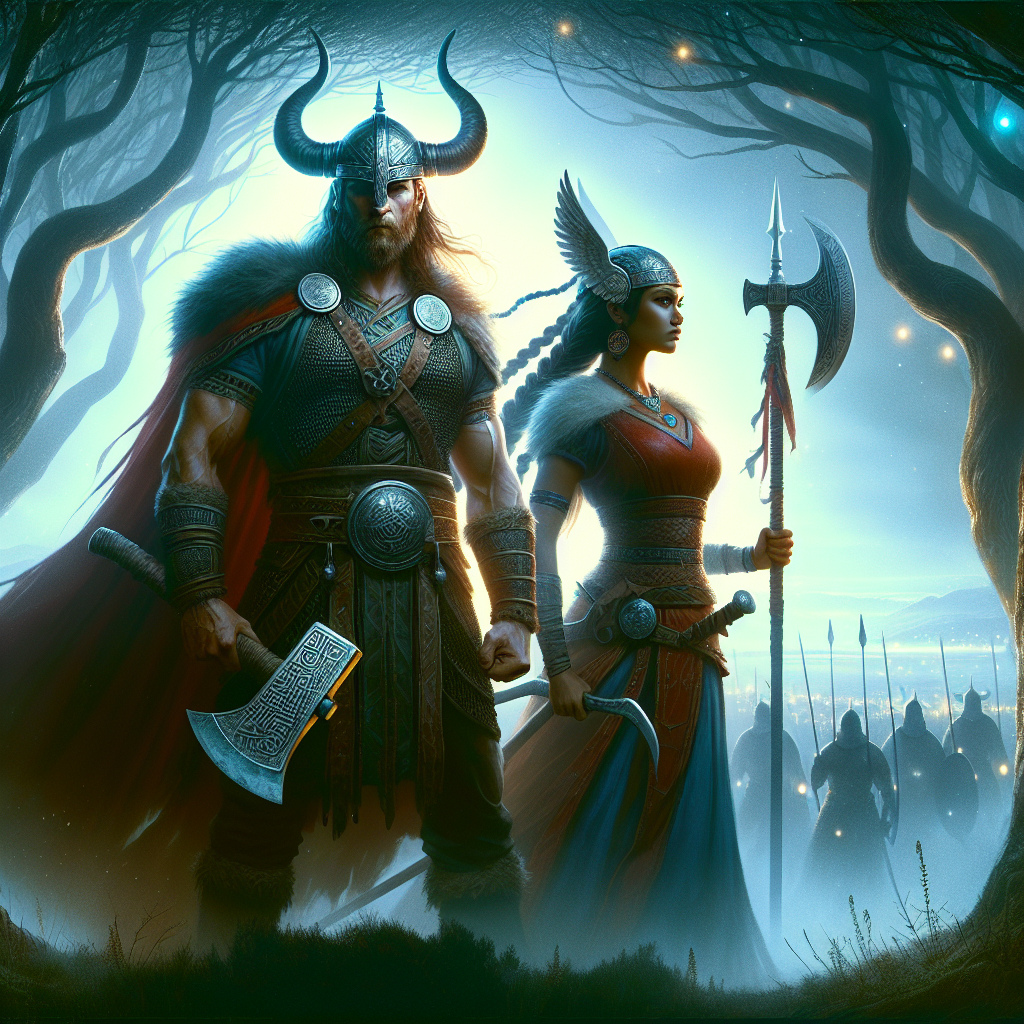
While male figures like Sigurd and Beowulf dominate the narratives, female heroes in Norse mythology also offer rich contributions. Figures such as Freyja, the goddess of love and war, and Lagertha, the legendary shield-maiden, embody the strength and resilience that characterize the human experience. Freyja’s agency and depth reflect the complex nature of feminine power, suggesting that heroism transcends traditional gender roles.
Moreover, the Valkyries serve as poignant symbols of female empowerment; they are not mere supporters of male heroes but independent entities capable of shaping destinies in their own right. Their dual roles as both warriors and nurturers encapsulate the fluidity of heroism, challenging conventional notions of strength and valor.
Legacy and Modern Resonance
The enduring tales of Norse heroes resonate in contemporary culture, as they provide timeless lessons about integrity, resilience, and sacrifice. Many modern adaptations, from books to films and video games, continue to shape our understanding of heroism. Franchises like Marvel’s “Thor” or Neil Gaiman’s “American Gods” reinterpret these ancient narratives, breathing new life into the mythic past while emphasizing the universal human experiences portrayed in the original sagas.
As we revisit these stories, we are reminded of the values that shaped the Norse worldview: bravery in the face of danger, loyalty amidst conflict, and the acceptance of life’s impermanence. These qualities resonate widely, transcending cultural boundaries and eras.
Conclusion
Norse heroes, steeped in complexity, present a vivid tapestry of the human experience. Their tales explore the intertwining of fate and free will, the significance of community and loyalty, and the profound fragility of life. As we delve into their stories, we uncover not just the aspirational qualities of heroism but also the imperfections that define us all. In recognizing these shared experiences, we connect with a collective legacy that has endured through centuries, a reminder of the timeless nature of what it means to be heroic — both in ancient times and today.