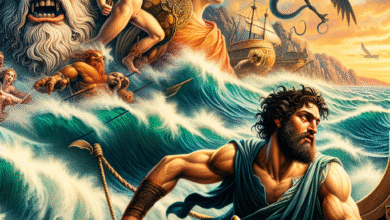

The figure of Daedalus stands as one of the most compelling characters in Greek mythology—a symbol of ingenuity and the duality of creation and destruction. Renowned as a master craftsman and artist, Daedalus is best known for his creation of the Labyrinth, a monumental architectural feat designed to contain the Minotaur, the half-man, half-bull creature. The story of Daedalus captivates audiences not just for its narrative complexity, but also for the philosophical implications of his creations, particularly the Labyrinth.
The Master Craftsman
Daedalus was celebrated for his unmatched skill in various crafts, embodying the Renaissance man long before the Renaissance itself. He was not just a builder but an innovator, known for his capacity to construct functional and aesthetic masterpieces. His inventions included the first wings made from feathers and wax, which he famously used to escape from imprisonment. This portrayal raises questions about the implications of human creativity: does innovation lead to liberation or entrapment? Daedalus’s story suggests a profound insight into the complex relationship between creator and creation, and how that relationship can shape destiny.
The Labyrinth: A Marvel of Design
The Labyrinth itself, commissioned by King Minos of Crete, serves as the stage upon which much of Daedalus’s narrative unfolds. This complex structure was designed to house the Minotaur, a creature born of unnatural coupling—a symbol of chaos and monstrosity. The Labyrinth was not merely a physical maze but a metaphor for human introspection and the intricate pathways of the mind.
Architectural Complexity
The Labyrinth was ingeniously designed, featuring a convoluted layout that was meant to confuse anyone who entered. This complexity mirrors the challenges of human existence, as individuals navigate their own moral and existential dilemmas. Daedalus’s creation transcends mere architecture; it becomes a metaphorical representation of the traps and trials present in life.
Symbol of Duality
Additionally, the Labyrinth encapsulates the duality of Daedalus’s character. While it serves to entrap the monstrous Minotaur, it also highlights the potential for entrapment of humanity. Daedalus is both the creator and the capturer—his genius gives birth to creations that can lead to personal and ethical dilemmas. The Labyrinth captures the essence of human experience, prompting one to ponder the nature of freedom and confinement.
The Icarian Mythos: A Flight from Fate
Perhaps the most tragic narrative intertwined with Daedalus is that of his son, Icarus. Daedalus, in a bid to escape Crete, fashioned wings for himself and Icarus to soar above their circumstances. This act of creation, born from love and the desire for freedom, ultimately leads to tragedy when Icarus flies too close to the sun, melting the wax that binds his wings. His subsequent fall into the sea serves as a cautionary tale about the limitations of human endeavor and the consequences of hubris.
Daedalus’s role in Icarus’s fate embodies the anguish of a creator who cannot protect his creation from fate. This poignant father-son relationship emphasizes the idea that the very tools of liberation—the wings—also possess the potential for destruction. The narrative compels one to consider the responsibilities a creator has toward their creation, insisting upon a deeper moral reflection about innovation, ambition, and the balance of risk.
Themes of Freedom and Entrapment
At the core of Daedalus’s narrative lies the theme of freedom versus entrapment—a dichotomy that permeates much of Greek mythology. While Daedalus is a symbol of creativity and the boundless human spirit, he is also ensnared by the consequences of his creations. This ambivalence raises critical questions: Are we truly free when our own inventions can lead us into traps of our own making? Or is the pursuit of innovation inherently fraught with risk?
The act of building the Labyrinth, seeking to contain the uncontrollable, is a reflection of humanity’s desire to impose order on chaos. Yet, the very act reveals the inherent chaos present within human existence. This theme resonates profoundly today in contexts ranging from technology to governance, urging contemporary society to consider the implications of innovation and the moral obligations that accompany creation.
Legacy and Cultural Significance
The legacy of Daedalus extends beyond the realm of myth into broader cultural and philosophical discourse. His story has inspired countless works of art, literature, and psychology. The Labyrinth, in various interpretations, serves as a metaphor for the complexities of the human psyche and the often overwhelming nature of existence. From novels to films, the archetype of the Labyrinth continues to provoke thought around themes of adventure, exploration, and the journey of self-discovery.
Moreover, Daedalus has become a symbol not only of innovation but also of the moral dilemmas that often accompany it. In a world defined by rapid technological advancements, the cautionary lessons encapsulated in his narrative encourage a vigilant approach to innovation—recognizing that every creation carries the potential for unforeseen consequences.
Conclusion
Daedalus, through his genius and tragedy, embodies the quintessential struggle of the human experience: the pursuit of knowledge and creativity tempered by the limitations and dangers inherent in that pursuit. The Labyrinth, a testament to his architectural prowess, serves as a profound metaphor for the complexities of life, offering insights into the nature of freedom, entrapment, and the moral dimensions of creation. As we navigate our own labyrinthine journeys, the lessons of Daedalus remain ever relevant, challenging us to weigh our innovations against the backdrop of ethical responsibility and the enduring quest for meaning amidst chaos. Thus, the mystique of the Labyrinth continues to illuminate the pathways of existence, inviting us to engage in deeper exploration of our own internal mazes.