
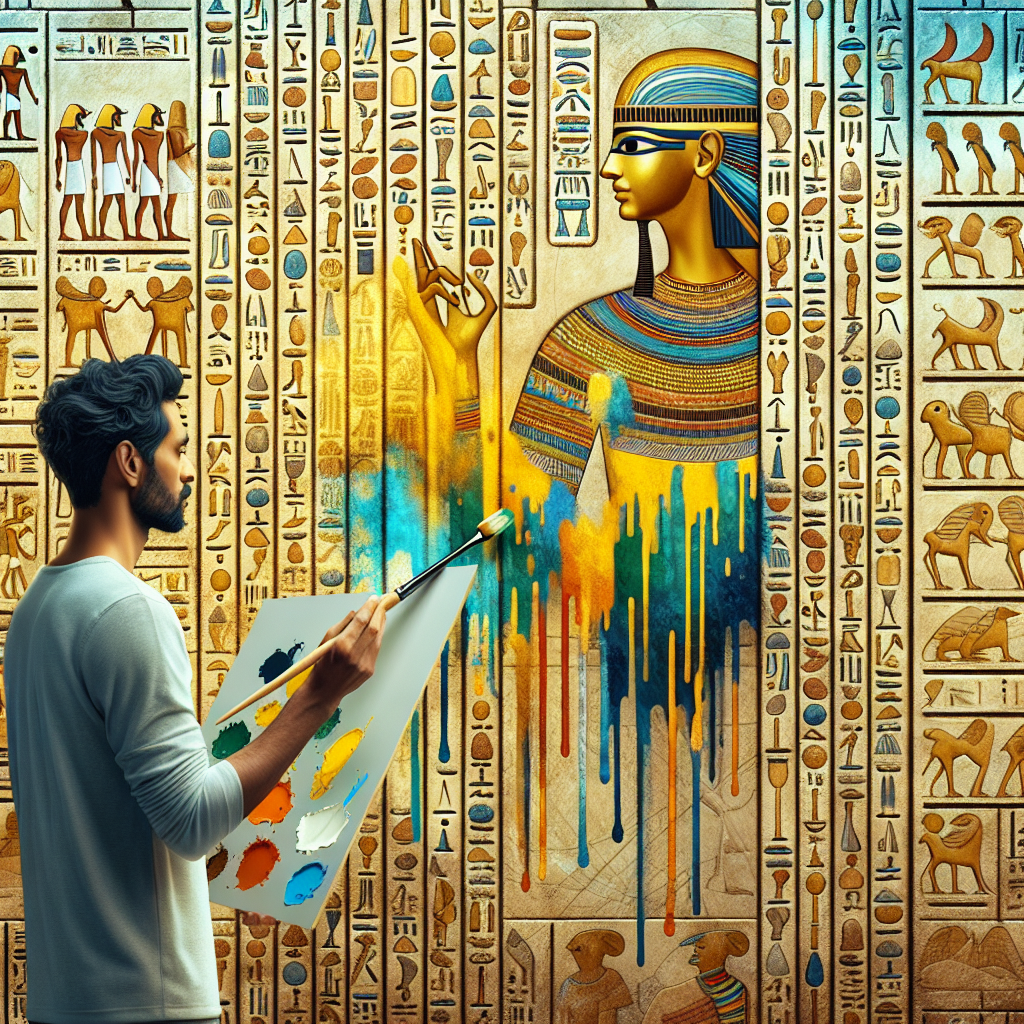
Egyptian mythology, rich with gods, goddesses, and profound cosmic narratives, has long served as an inexhaustible reservoir of inspiration for artists through the ages. From the hauntingly beautiful frescos of ancient tombs to contemporary interpretations, the allure of these ancient stories transcends time, continuing to shape the visual language of our modern world. This article explores the transformative power of Egyptian myth in art, examining its symbolism, thematic richness, and the ways it echoes in contemporary artistic expressions.
The Intersection of Myth and Art
Egyptian mythology is not merely a collection of stories; it is a comprehensive worldview shaped by the cultural, spiritual, and existential questions of ancient Egyptians. The pantheon of deities—such as Ra, Osiris, Isis, and Anubis—embodied aspects of nature, human existence, and the afterlife, providing fertile ground for artistic interpretation.
Art in ancient Egypt was intrinsically linked to religion and magic, often serving as a means to communicate with the divine. The meticulous murals and carvings in tombs, for example, were created not just for aesthetic pleasure but as offerings to ensure a successful journey in the afterlife. These artworks were imbued with deep symbolism, rich in color, and steeped in narrative, becoming visual manifestations of the myths that filled the hearts and minds of the ancient Egyptians.
Timeless Symbols and Their Significance
The power of Egyptian myths lies significantly in their symbolic language. Take, for instance, the Eye of Horus, a symbol of protection, healing, and restoration. It has been adopted through history not only as an emblem of ancient Egyptian culture but also as a motif in modern art, suggesting a continuity of meaning. Similarly, the ankh—a symbol of life—continues to resonate, appearing in diverse artistic works and contexts, symbolizing vitality and immortality.
Throughout history, artists have drawn inspiration from these potent symbols. The use of gold leaf in religious iconography, the depiction of gods in anthropomorphic forms, and the mixing of human and animal features to express divine nature are elements that have captivated artists throughout history. These symbols serve not only as decorative motifs but as conduits of profound cultural beliefs and aspirations.
The Narrative Arcs of Egyptian Myth
The narratives encapsulated in Egyptian mythology, characterized by epic struggles, themes of resurrection, and the interplay between chaos and order, evoke deep emotional responses. Take the tale of Osiris, whose death and resurrection symbolize the eternal cycle of life, death, and rebirth. This myth resonates deeply with the human experience, making it accessible and relatable across cultures and ages.
Artists have long utilized these stories in their works, creating powerful tableaux that explore the complexities of existence. The story of the divine battle between Horus and Seth, for example, has inspired countless works ranging from ancient bas-reliefs to contemporary sculptures, reflecting themes of justice, vengeance, and redemption. The transformation of these narratives into visual art not only preserves them but also infuses new life, inviting interpretation and reflection.
Influence on Various Artistic Movements
The fascination with Egyptian imagery is evident across various artistic movements, most notably during the Renaissance and the Art Deco period. The revival of interest in classical antiquity during the Renaissance led to an infusion of Egyptian motifs into the works of artists like Giovanni Battista Piranesi and later, Jean-Auguste-Dominique Ingres. These artists reinterpreted Egyptian aesthetics in their own works, showcasing the timeless appeal of ancient narratives.
In the early 20th century, the Art Deco movement embraced the elegance and exoticism associated with Egyptian art, exemplified by the designs of architects like Pierre Chareau and furniture makers who incorporated Egyptian motifs into modern functional objects. This fusion of form and function illustrated how ancient myths could be recontextualized, maintaining their allure while adapting to contemporary sensibilities.
Contemporary Interpretations and Reimaginings
Today, Egyptian mythology continues to captivate contemporary artists who seek to reinterpret ancient tales through modern lenses. Artists like Jean-Michel Basquiat, for instance, have blended historical motifs and symbols, melding them with contemporary themes of identity, culture, and power. Through vibrant colors and dynamic forms, Basquiat taps into the legacy of Egyptian myth to comment on issues ranging from colonialism to social justice.
Contemporary installations and mixed-media art also explore the symbolism of Egyptian mythology, often challenging historical narratives. Artists like Kara Walker use the figures and stories of ancient Egypt to confront the complexities of race and identity, reminding audiences that these myths are not stagnant relics but evolving narratives that can serve as tools for social critique.
The Universal Themes in Egyptian Myth
The transformative power of Egyptian myth in art lies not only in its aesthetics but also in its engagement with universal human themes. Concepts of life and death, love and loss, creation and destruction resonate across cultures and histories. The journey of the soul through the afterlife, as depicted in the “Book of the Dead,” speaks to our intrinsic curiosity about mortality and existence.
The mythology surrounding figures like Isis, the archetype of the nurturing mother and powerful sorceress, reflects timeless themes of love, sacrifice, and resilience. These stories resonate not just with the ancient Egyptians but also with modern audiences who seek understanding and connection in a world that often feels fragmented.
Conclusion
The transformative power of Egyptian myth in art is a testament to the enduring human fascination with narrative, symbolism, and the quest for meaning. From the ancient depictions on temple walls to contemporary reinterpretations, these myths continue to inspire, provoke, and connect us across time. They serve as cultural touchstones that not only preserve the stories of the past but also encourage exploration, dialogue, and reflection in our present and future artistic endeavors. In this way, Egyptian mythology remains a vibrant source of inspiration, its transformative power manifesting in the art we create and the stories we tell.


