The Role of Arts in Preserving Greek Mythology
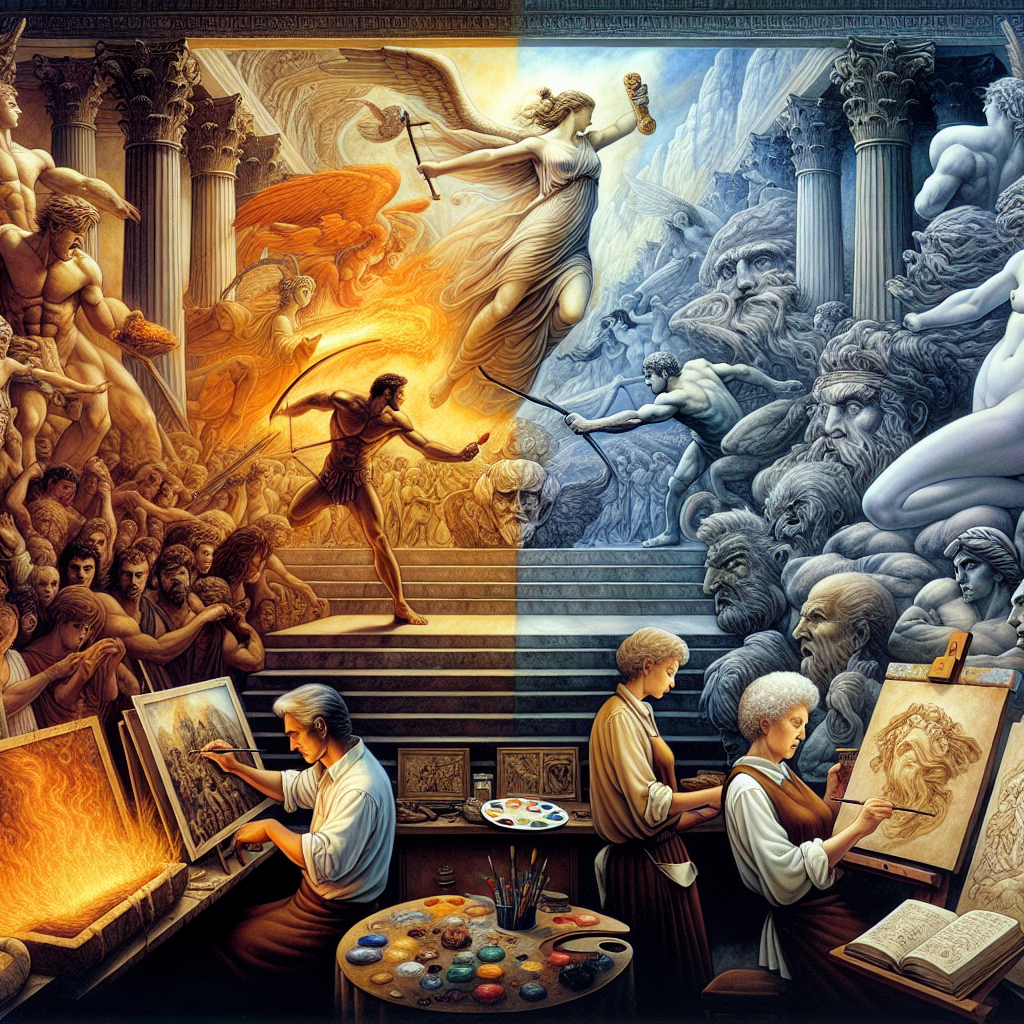
Greek mythology has endured through the ages, its tales of gods, heroes, and mythical creatures continuing to captivate and inform our cultural landscape. At the heart of this timeless legacy lies the arts—encompassing literature, visual arts, theater, and music—which have played a pivotal role in preserving and reshaping these ancient myths. Through various artistic expressions, Greek mythology not only survives but thrives, continually inspiring new interpretations and understandings.
The Roots of Greek Mythology in Arts
Greek mythology emerged in a rich cultural context, where oral storytelling was a primary means of passing down knowledge and tradition. This oral tradition was often intertwined with early forms of art—poetry, music, and visual representation in pottery and sculpture. The works of poets like Homer and Hesiod were foundational, introducing epic narratives that served to immortalize the stories of gods and heroes.
Homer’s “Iliad” and “Odyssey,” written in the 8th century BCE, are prime examples of how literature can serve as both a storytelling medium and a tool for moral and cultural education. These texts have not only preserved myths but also shaped the ethical frameworks within which these stories were understood. The struggles of Achilles and Odysseus reflect human experiences of love, bravery, and the quest for identity, resonating through generations.
Visual Arts: Sculpture and Pottery
Visual arts in ancient Greece, particularly sculpture and pottery, have also played a crucial role in preserving mythology. Artists created detailed depictions of gods, goddesses, and mythological scenes, serving both decorative and narrative functions. Notably, the Parthenon in Athens is adorned with intricate friezes that depict the Panathenaic procession—a celebration of Athena, the city’s patron goddess.
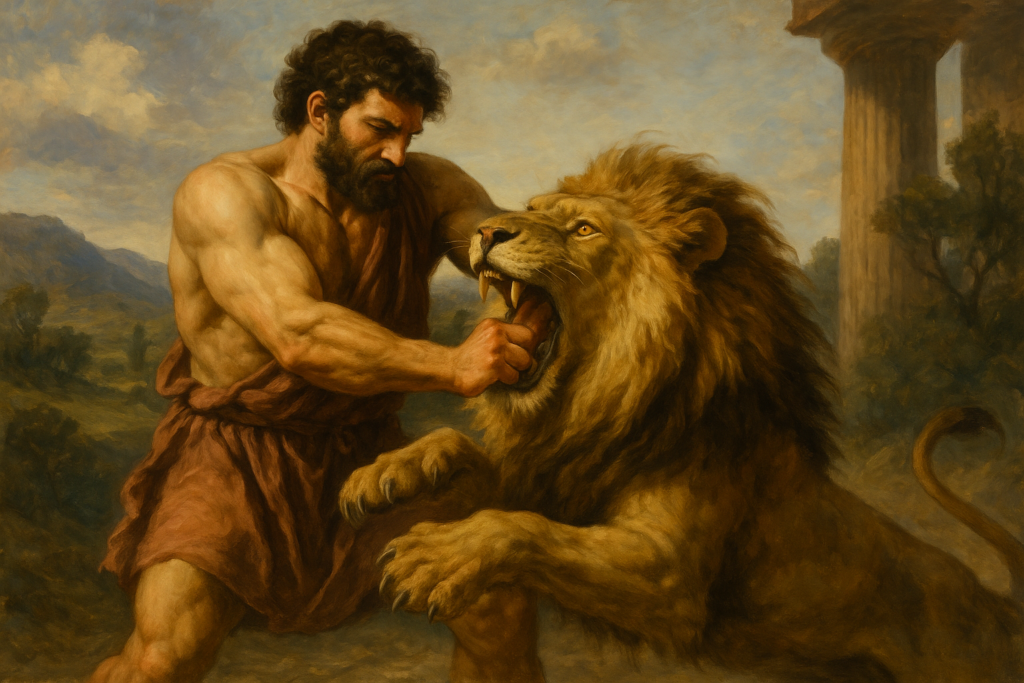
Greek pottery further illustrates this point. Vases often featured painted scenes of mythological events, such as the labors of Heracles or the exploits of Theseus. These artifacts provided visual narratives that were accessible even to those who were illiterate. The consistent representation of these stories through art reinforced their significance in Greek culture, making them easily recognizable and memorable.
Theater: The Dramatic Arts
Theater, particularly during the classical period, became another powerful medium for exploring and preserving Greek myths. Playwrights like Aeschylus, Sophocles, and Euripides adapted mythological tales for the stage, turning them into thought-provoking dramas that examined human nature, morality, and fate. Aeschylus’ “Oresteia” trilogy, for example, explores themes of justice and revenge drawn from the myth of Agamemnon, revealing complex human emotions in the context of divine influence.
These plays were not only entertainment; they served as a means of public discourse, prompting audiences to reflect on their beliefs and societal norms. The inclusion of well-known myths made these stories resonate deeply, ensuring that they were remembered and discussed long after the performances ended. The revival of interest in these works in modern times further underscores their enduring relevance.
Music: A Sonorous Legacy
Music has also played an essential role in the preservation and reinterpretation of Greek mythology. Ancient Greeks utilized music in various forms, from choral performances to solo compositions, often integrating mythological themes into the lyrics. The use of music in theaters reinforced the emotional weight of stories, allowing audiences to experience the narrative on a deeper level.
In contemporary times, musicians and composers continue to draw inspiration from Greek mythology. The works of artists like Richard Strauss, with his tone poem “Also sprach Zarathustra,” and Thomas Adès, noted for “The Tempest,” reflect how mythological themes evolve through musical interpretation. These compositions introduce ancient stories to new audiences, merging past with present.
Literature and Reception
The medium of literature has evolved alongside mythology, demonstrating its adaptability in contemporary contexts. Modern authors often reimagine Greek myths, weaving them into modern narratives that address contemporary issues. Novels like Madeline Miller’s “Circe” and “The Song of Achilles” present fresh perspectives on well-established myths, allowing new generations to engage with these stories.
This literary reexamination serves not only as a preservation technique but also as a reflection of society’s changing values and beliefs. By reinterpreting myths, authors highlight their relevance, reminding readers that these ancient tales still hold significant cultural and philosophical importance.
Art as a Cultural Bridge
Art transcends linguistic and temporal boundaries, becoming a bridge between cultures and eras. The accessibility of artistic works—whether through museums, performances, or literature—allows people from diverse backgrounds to engage with Greek mythology. This engagement fosters appreciation and understanding of ancient Greek culture, contributing to a broader global narrative.
Furthermore, the globalization of art has facilitated cross-cultural exchanges. Artists from various parts of the world draw on Greek mythology to explore universal themes of love, conflict, and morality, thus aligning these ancient stories with contemporary global discourses. This fusion enhances the mythology’s relevance and encourages a dialogue between past and present.
Conclusion: The Living Legacy of Greek Mythology
The arts are not merely a means of preserving Greek mythology but are integral to its evolution. Through literature, visual arts, theater, and music, these age-old stories continue to resonate, reflecting both the human condition and societal values across millennia. As we engage with these myths in various artistic forms, we ensure their survival, allowing new generations to discover their power, beauty, and wisdom.
Thus, the role of arts in preserving Greek mythology is not static; it is a dynamic interplay that fosters creativity, dialogue, and a lasting connection to our collective past. By embracing these ancient stories through art, we ensure that their lessons endure, inviting us to reflect upon our own lives and the myriad narratives that shape our understanding of the world.
Recommended reading
These are affiliate links. If you buy through them, we may earn a commission at no extra cost to you.
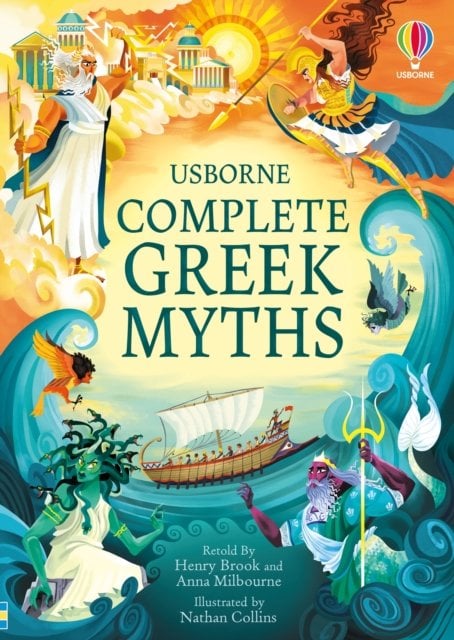
Complete Greek Myths: An Illustrated Book of Greek Myths
Featuring detailed retellings, beautiful character illustrations, and cultural background, this comprehensive volume brings the best-known and obscure Greek myths to life for readers of all ages. Complete with maps, a glossary, and a QR code for pronunciation guides and extra resources, it is an essential addition to any family bookshelf.
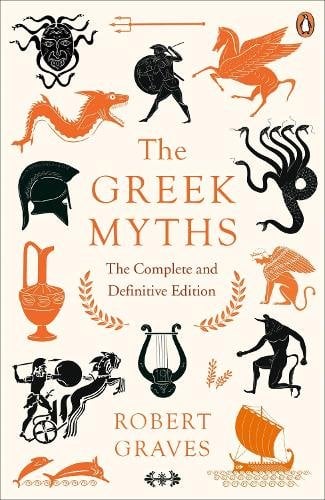
The Greek Myths: The Complete and Definitive Edition
Robert Graves’s definitive edition weaves the classic Greek myths, from the Labours of Hercules to the Trojan War, into one sweeping, authoritative narrative. Perfect for both first-time readers and classicists, this comprehensive volume combines engaging storytelling with detailed scholarly commentary and a complete index of names.
The Odyssey
Homer’s timeless epic The Odyssey follows the hero Odysseus on a perilous decade-long journey home from Troy, facing mythical monsters and divine wrath. Meanwhile, his wife Penelope and son Telemachus defend their kingdom against ruthless suitors in this classic tale of loyalty and endurance.