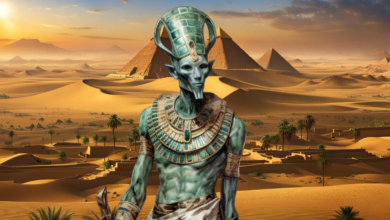

The Importance of Burial Rites in Ancient Egyptian Mythology
Burial rites in ancient Egypt were not merely rituals; they embodied profound beliefs about life, death, and the afterlife. The ancient Egyptians had a complex understanding of existence that transcended the physical realm, making the proper burial of the deceased a critical aspect of their culture. These rites were steeped in mythology, reflecting the Egyptians’ reverence for the gods, the soul, and the cyclical nature of life and death.
The Afterlife and the Journey of the Soul
Central to Egyptian beliefs was the idea of an afterlife, encapsulated in the concept of “duat,” the realm of the dead. Egyptians believed that upon death, the soul (or “ka”) would embark on a journey through the duat, facing trials and tribulations that tested its worthiness. Successful navigation of this otherworldly landscape would allow the soul to reach the Field of Reeds, an idyllic paradise where the deceased could live eternally.
The heart, considered the seat of emotion and intellect, played a crucial role in this journey. After death, the heart would be weighed against the feather of Ma’at, the goddess of truth and justice, in the ceremony known as the “Weighing of the Heart.” A heart that was lighter than the feather indicated a life of virtue and honesty. However, if the heart was heavier, it would be devoured by Ammit, a fearsome creature, thus leading to the soul’s eternal obliteration. This belief underscored the significance of living a righteous life and ensured that moral conduct was paramount in Egyptian society.
The Role of Burial Rites
Given these beliefs, burial rites were meticulously organized to ensure that the deceased made a successful transition to the afterlife. These rites consisted of various ceremonies that included mummification, offerings, and tomb constructions, each laden with symbolic meaning.
-
Mummification: This intricate process was designed to preserve the body for eternity, allowing the soul to inhabit it in the afterlife. The Egyptians believed that the body served as a vessel for the soul, and ensuring its preservation was critical for a successful afterlife journey. This process often included the removal of internal organs, which were then stored in canopic jars, symbolizing protection and care for the body.
-
Tomb Construction: Egyptian tombs, ranging from simple pits to monumental pyramids, were designed not just as graves but as eternal homes for the deceased. Richly decorated with hieroglyphics and paintings, tombs depicted scenes of daily life, deities, and offerings, creating a powerful connection between the living and the dead. Such artwork held immense significance, as it was believed to provide the deceased with the sustenance and protection they needed in the afterlife.
-
Funeral Rites: The funeral procession was an elaborate affair, involving family, priests, and sometimes even musicians. The body was transported to the necropolis with great care, and ritual chants invoked blessings, allowing the deceased to enter the afterlife smoothly. The rituals performed at the burial site were essential, as they created a spiritual bridge between the living and the deceased.
Mythological Underpinnings
The mythology surrounding burial rites further illustrates their importance in ancient Egyptian culture. Key deities associated with death and the afterlife, such as Osiris, Isis, and Anubis, symbolized and influenced various aspects of these rites.
-
Osiris, the god of the underworld and resurrection, was pivotal in funerary beliefs. According to myth, Osiris was killed by his brother Set and subsequently resurrected by his wife Isis. This narrative resonated deeply with Egyptians, reinforcing the belief in life after death and the possibility of resurrection. As a result, many burial practices mirrored the mythological story of Osiris, suggesting that the deceased could also rise again.
-
Anubis, the jackal-headed god, presided over mummification and the protection of the dead. As the guide of souls, he played a vital role in ensuring that the deceased were prepared for their journey. Anubis’s significance in burial rituals showcased the intertwining of mythology with practical rites, emphasizing the belief in divine assistance during the challenging transition to the afterlife.
-
Isis, the goddess of motherhood and magic, was often invoked for protection and healing. Her association with the protection of the dead and her role in the resurrection of Osiris magnified the need for proper burial rites, as she was believed to assist souls in their journey.
Cultural Legacy and Continuity
The persistence of burial rituals reveals their remarkable significance within ancient Egyptian culture. Even in times of political change and foreign invasions, the core beliefs surrounding the afterlife and the importance of proper burial continued. This was not merely a reflection of tradition but an expression of identity, spirituality, and the human desire for immortality.
In modern times, the fascination with ancient Egyptian burial practices continues, as seen in archaeological discoveries and contemporary interpretations. Tombs like that of Tutankhamun have captured global attention, dazzling us with their opulence and the elaborate care given to the deceased. These findings underscore the enduring legacy of Egyptian burial rites and their inherent connection to mythology, highlighting a civilization that deeply understood the gravity of death and the promise of an everlasting life.
Conclusion
The burial rites of ancient Egypt were far more than ceremonial practices; they were a manifestation of profound spiritual beliefs intertwined with rich mythology. Through mummification, elaborate funerals, and sacred tombs, the Egyptians sought to honor the dead and ensure their successful transition to the afterlife. The mythology that underpinned these rites, featuring deities like Osiris, Anubis, and Isis, added layers of significance and connection to their practices.
These ancient customs, grounded in the belief of eternal life, offer timeless insights into humanity’s quest for understanding death and the nature of existence. Through their rituals, the ancient Egyptians left behind a legacy that continues to fascinate and inspire, illuminating our own perspectives on life, death, and what lies beyond.