The Afterlife Journey: Mythical Landscapes in the Book of the Dead
The ancient Egyptians held a rich tapestry of beliefs about the afterlife, woven intricately into their culture, art, and literature. Central to these beliefs was the “Book of the Dead,” a collection of spells, prayers, and incantations designed to guide the deceased through the challenges of the afterlife. This sacred text, often inscribed on papyrus scrolls and placed within tombs, offers fascinating insights into the mythical landscapes inhabited by the dead during their journey towards the eternal afterlife.
The Framework of the Afterlife
In ancient Egypt, death was not seen as an end, but rather a transition into another realm. The rich mythology surrounding the afterlife was framed within the context of Egyptian cosmology, which depicted a universe governed by divine order (Ma’at). This balance was essential for a soul to navigate the afterlife successfully.
The journey begins in the Duat, the Egyptian underworld, which is portrayed as a complex, dark landscape filled with both peril and promise. Unlike the bleak connotations often associated with “underworlds” in other cultures, the Duat in Egyptian mythology is a realm that holds various landscapes and trials that the deceased must traverse in order to reach the afterlife—a place of eternal peace and joy known as the Field of Reeds.
The Duat: A Multifaceted Underworld
The Book of the Dead provides vivid descriptions of various regions within the Duat. Here, the soul encounters a multitude of landscapes that reflect the trials and transformations necessary for rebirth. From fiery deserts to lush oasis-like gardens, each area gives expression to the contrasting challenges a soul faces.
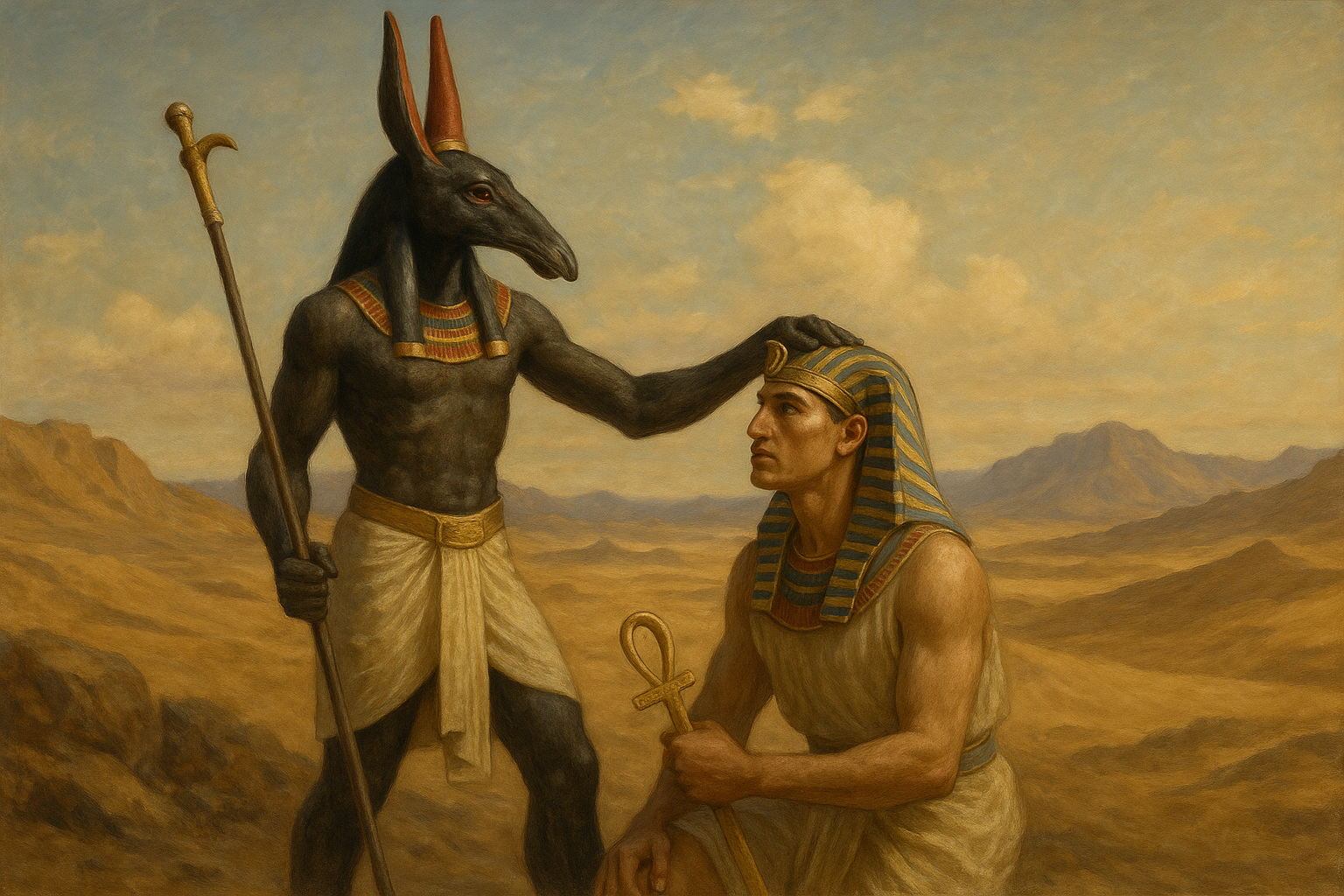
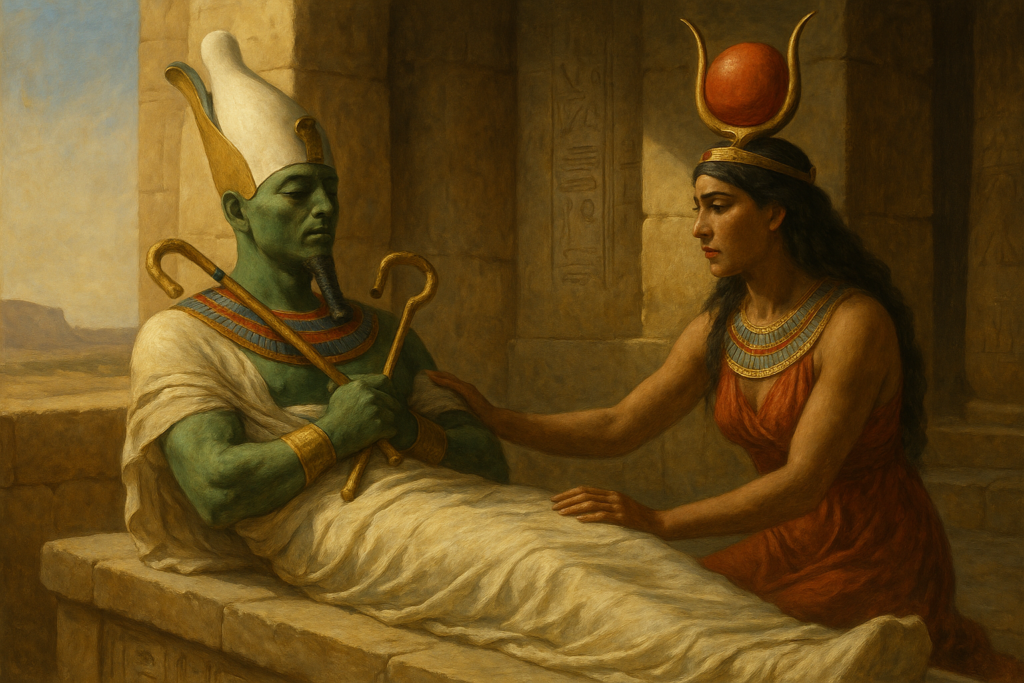
At the heart of the Duat lies the judgment hall, where Osiris, the god of the afterlife, presides over the weighing of the heart ritual. The deceased’s heart is measured against the feather of Ma’at, representing truth and justice. This pivotal moment dictates the soul’s fate: either to ascend to the Field of Reeds or fall to the devouring maw of Ammit, the soul-eating demon depicted as a composite of a lion, crocodile, and hippopotamus.
Trials and Transformations
The journey through the Duat is fraught with trials that reflect the mythological underpinnings of Egyptian belief. Various spells and charms found in the Book of the Dead serve as protective tools to ensure safe passage. One prevalent theme is the contest of wits against serpents and other dangerous creatures that symbolize chaos—forces that threaten the integrity of Ma’at.
Another aspect of this journey involves the deceased’s encounters with deities who embody various elements of the natural world. For instance, the sun god Ra guides the deceased through the night, representing the necessity of rebirth and renewal. The journey is cyclical, mirroring the solar cycles that were integral to Egyptian life.
The Field of Reeds: A Paradisiacal Landscape
The ultimate goal of this precarious journey is the Field of Reeds, often depicted as a lush, fertile landscape reminiscent of Egypt itself, where the soul can live eternally. This paradise is imagined as an idyllic version of the Nile delta, filled with fields of grain, abundant water, and livestock. The symbolism here is profound—the Field of Reeds not only reflects the Egyptians’ physical environment but stands as a reminder of life, fertility, and abundance.
In this idealized afterlife, the deceased can enjoy pleasures similar to those experienced in life, yet in a more profound and eternal form. They partake in feasts, engage with loved ones, and enjoy leisure time, free from the suffering and limitations of the mortal world. This reflects a human desire for continuity, reinforcing the perception of the afterlife as an extension of earthly existence—a comforting notion in the face of mortality.
The Role of Spells and Incantations
The spells within the Book of the Dead serve as essential guides, providing the deceased with the knowledge needed to navigate the landscapes of the afterlife, ward off evil, and ultimately achieve rebirth. The vast array of incantations highlights the importance of knowledge and preparation in securing a positive outcome after death.
Spells vary widely, including those that invoke protection from animals, requests for assistance from gods, and assurances of safety against treacherous terrain. The overarching theme is the transition from a state of mortal being to divine acceptance. Each spell enhances the narrative of the soul’s journey, illustrating how belief in the power of words can manifest realities within the mythical landscapes described.
Artistic Representations of the Afterlife
Art played a critical role in the visualization of these mythical landscapes. The walls of tombs, adorned with vibrant frescoes and intricate carvings, depict scenes from the Book of the Dead. These visual representations serve not only to narrate the soul’s journey but also to embody the very essence of the afterlife—the reunion of the deceased with the divine, the lushness of the Field of Reeds, and the trials of the Duat.
This artistic expression provides insight into how ancient Egyptians understood and conceptualized their journey after death. The beautiful landscapes, populated by gods, mythical creatures, and serene environments, reflect a profound connection to their belief system. They sought to portray both the joys and challenges of the afterlife, creating a narrative that resonates deeply with human experiences of hope, fear, and aspiration.
Conclusion: A Journey Beyond the Grave
The Book of the Dead encapsulates ancient Egyptian beliefs about life, death, and the return to a mythical landscape—a journey enriched by profound spiritual significance. The various landscapes the deceased navigate, from the treacherous paths of the Duat to the peaceful expanse of the Field of Reeds, reflect the overarching theme of transformation and ultimately, renewal.
As we explore these mythical landscapes, we are reminded of the universal human curiosity about what lies beyond death. The Egyptians’ elaborate mythology and their concept of the afterlife continue to fascinate, drawing us into a world where life, death, and rebirth intertwine in an eternal cycle, illustrating humanity’s enduring quest for understanding and connection in the face of the unknown.