The Sirens: Myths of Temptation and Danger

Introduction
In the realm of ancient mythology, few figures evoke as much intrigue and peril as the Sirens. Known primarily through Greek literature, these enchanting beings symbolize the duality of attraction and danger, captivating sailors with their mesmerizing songs that often lead to destruction. The Sirens’ tales serve as a profound metaphor for the human experience, illustrating the tension between desire and caution, the seductive allure of the unknown, and the inherent dangers that can accompany temptation.
Origins and Descriptions
The myths surrounding Sirens can be traced back to Homer’s “Odyssey,” where they appear as creatures who lure Odysseus and his crew with their hypnotic melodies. Their origins vary across different sources. In some accounts, they are depicted as beautiful women with the ability to charm all who hear them. In others, they are envisioned as hybrid creatures, part woman and part bird, existing at the intersection of humanity and the animalistic allure of nature.
The most widespread description sees them enticing sailors from rocky shores, where they dwell. Their songs, often described as a blend of irresistible beauty and haunting melodies, promise knowledge, love, and fulfillment while concealing the fatal consequences of heeding their call. The imagery of Sirens captures the essence of temptation: alluring but perilously deceptive.
The Siren’s Song: A Metaphor for Temptation
Perhaps the most compelling aspect of the Siren myth is the concept of the “Siren’s song.” This phrase has transcended its mythological roots, becoming a common metaphor for temptations in modern life. Just as sailors are drawn to the music of the Sirens, individuals today often find themselves ensnared by desires that promise happiness or success but may lead to ruin.
In literature, the Siren’s song symbolizes various temptations—romantic entanglements, addictive substances, or unethical deals. The allure is powerful, often shrouded in promises of fulfillment and joy, much like the enchanting melodies that resonate through the air. The story of Odysseus, who famously orders his crew to plug their ears with beeswax and ties himself to the mast of his ship to resist the Sirens’ call, illustrates the need for self-control and awareness when confronting temptation. It serves as a reminder that while desires can be compelling, succumbing to them without caution can lead to dire consequences.
Historical Interpretations
Throughout history, the Sirens have been interpreted in various ways, reflecting the cultural attitudes and values of different eras. In ancient Greece, they were often seen as embodiments of female seduction, carrying both beauty and danger, an archetype that has been continuously explored in literature and art. This duality has allowed the Sirens to become enduring symbols of the complexities of femininity and desire.
In the Middle Ages, the depiction of Sirens evolved. They were often associated with the devil or considered malevolent beings that lured humans into sin. This interpretation aligned with the burgeoning Christian theology that viewed temptation as fundamentally linked to evil. The Siren myth became a cautionary tale, warning individuals to be vigilant against forces that may lead them astray from righteousness.
The Sirens in Modern Culture
The Sirens have not only persisted in ancient texts but have also evolved and adapted to contemporary narratives. They continue to capture the imagination of artists, writers, and filmmakers, appearing in various forms across popular culture. From operas, such as Debussy’s “Pelléas et Mélisande,” to modern films like “Pirates of the Caribbean,” the essence of the Sirens remains relevant.
In literature, contemporary authors often draw on the Siren metaphor to explore the complexities of human relationships, addiction, and the pursuit of unattainable desires. Works by writers like Margaret Atwood or Angela Carter engage with themes of allure and danger, often employing Siren-like figures to explore issues of empowerment and agency.
Moreover, the concept of “Siren songs” has permeated feminist discourses, which analyze how women’s voices can be both powerful and dangerous in patriarchal societies. This renegotiation of the Siren archetype allows for a more nuanced understanding of women’s roles in society, transforming them from mere temptresses into figures of strength and agency.
Psychological Dimensions
From a psychological perspective, the Siren myth can be seen as a reflection of the human psyche’s struggle with temptation and impulse control. Carl Jung’s idea of the “Shadow”—the darker, unacknowledged parts of our personality—can be aptly applied to the concept of Sirens. These figures embody the alluring, yet potentially destructive, aspects of our desires.
Surrendering to the Siren’s song can symbolize an embrace of the Shadow, a moment of succumbing to impulses that contradict societal norms or personal ethics. Understanding this internal conflict allows individuals to engage more deeply with their own motivations and desires, navigating the fine line between exploration and excess.
Conclusion
The Sirens stand as enduring symbols of temptation and danger, woven intricately into the tapestry of mythology and human experience. They remind us of the seductive allure of desires and the delicate balance required to navigate them. Whether in ancient tales or modern reinterpretations, the stories of the Sirens teach valuable lessons about self-awareness, restraint, and the consequences of indulgence.
As we confront our own “Siren songs” in the form of personal temptations, we must remember Odysseus’s wisdom: that recognizing the allure of desire inevitably requires both courage and caution. The Sirens continue to resonate not only as figures of fatal beauty but as essential reminders of the complexities of human nature, the powerful draw of our deepest desires, and the potentially perilous paths they can lead us down.
Recommended reading
These are affiliate links. If you buy through them, we may earn a commission at no extra cost to you.
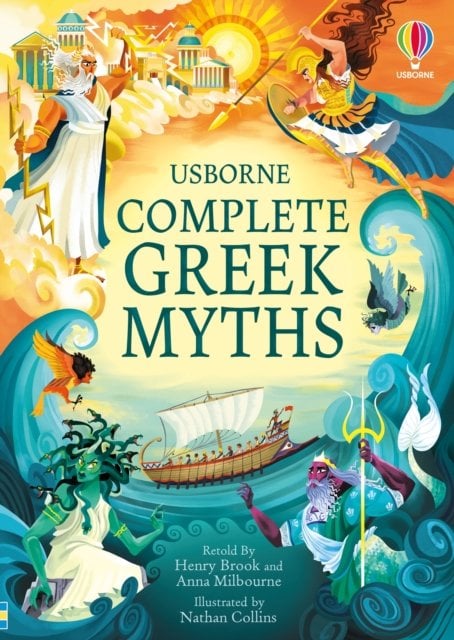
Complete Greek Myths: An Illustrated Book of Greek Myths
Featuring detailed retellings, beautiful character illustrations, and cultural background, this comprehensive volume brings the best-known and obscure Greek myths to life for readers of all ages. Complete with maps, a glossary, and a QR code for pronunciation guides and extra resources, it is an essential addition to any family bookshelf.
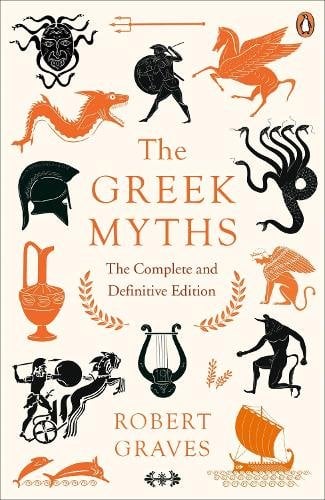
The Greek Myths: The Complete and Definitive Edition
Robert Graves’s definitive edition weaves the classic Greek myths, from the Labours of Hercules to the Trojan War, into one sweeping, authoritative narrative. Perfect for both first-time readers and classicists, this comprehensive volume combines engaging storytelling with detailed scholarly commentary and a complete index of names.
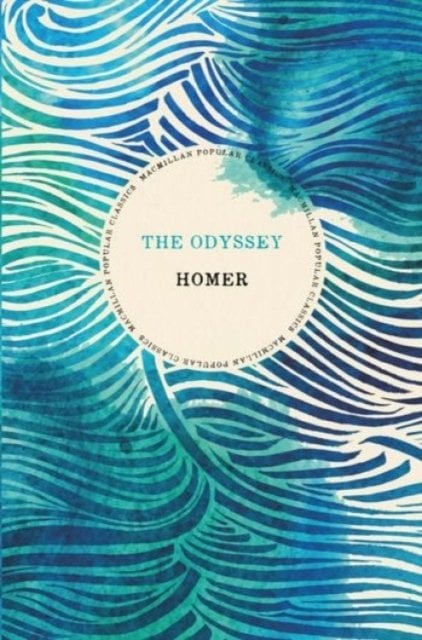
The Odyssey
Homer’s timeless epic The Odyssey follows the hero Odysseus on a perilous decade-long journey home from Troy, facing mythical monsters and divine wrath. Meanwhile, his wife Penelope and son Telemachus defend their kingdom against ruthless suitors in this classic tale of loyalty and endurance.