The Role of Hieroglyphics in Preserving Mythology
The Role of Hieroglyphics in Preserving Mythology
Hieroglyphics, the intricate system of writing used by the ancient Egyptians, serves as a fascinating lens through which we can explore the rich tapestry of mythology that defined their civilization. This unique script, composed of logographic and alphabetic elements, was more than just a means of communication; it was a vital tool in the preservation and perpetuation of Egyptian culture, religion, and mythological narratives. This article delves into the significant role of hieroglyphics in safeguarding the myths of ancient Egypt and highlighting their enduring impact on civilization.
The Nature of Hieroglyphics
Developed around 3100 BCE, hieroglyphics consisted of over 700 symbols, each representing sounds, ideas, objects, or actions. It was primarily used for religious texts, monumental inscriptions, and administrative documents. The precise, artistic nature of hieroglyphics allowed for nuanced storytelling, making it an essential medium for documenting mythology.
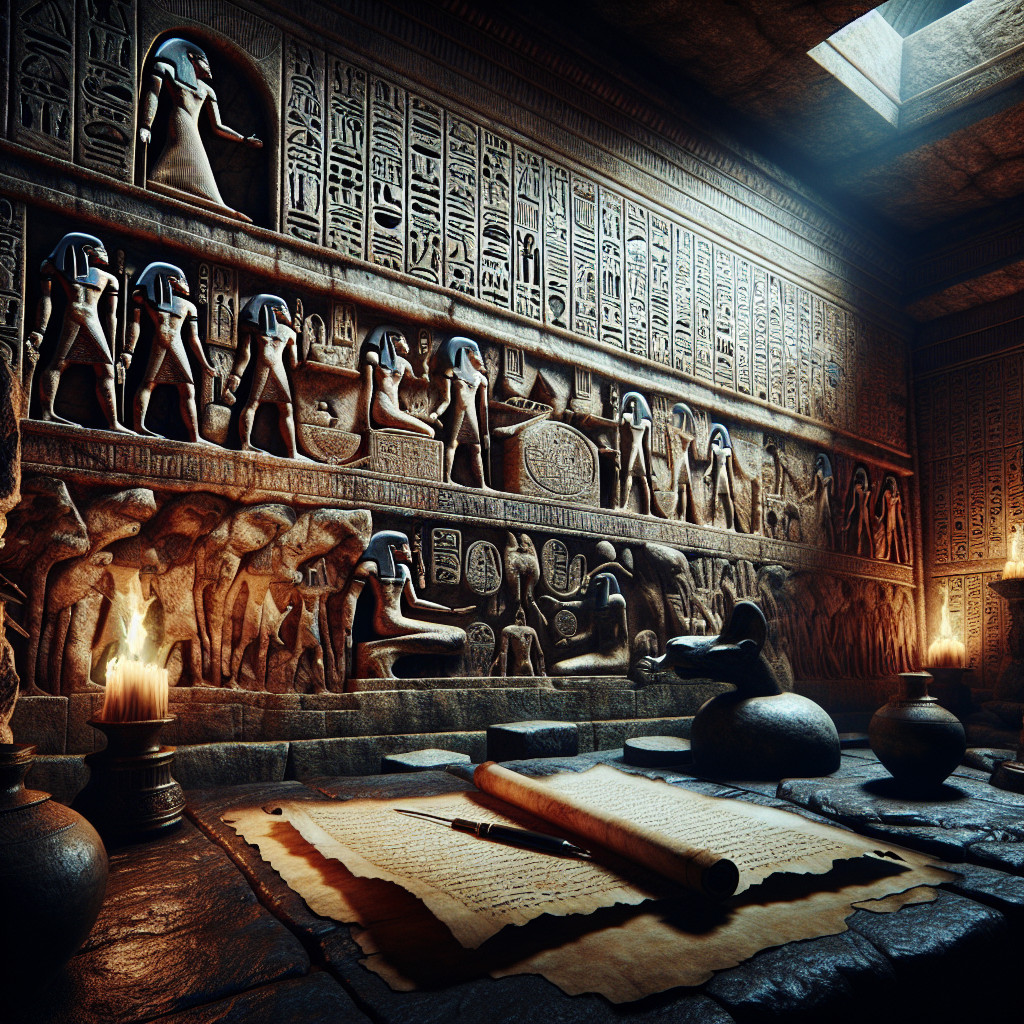
Hieroglyphics were often inscribed on temple walls, tombs, and papyrus scrolls, serving as both a decorative art form and a practical means to convey complex religious and mythological themes. The careful arrangement of symbols created visual artistry that complemented the deeply symbolic meaning of the texts. This interplay between form and content was fundamental in preserving and interpreting mythological stories over centuries.
Myths as Cultural Pillars
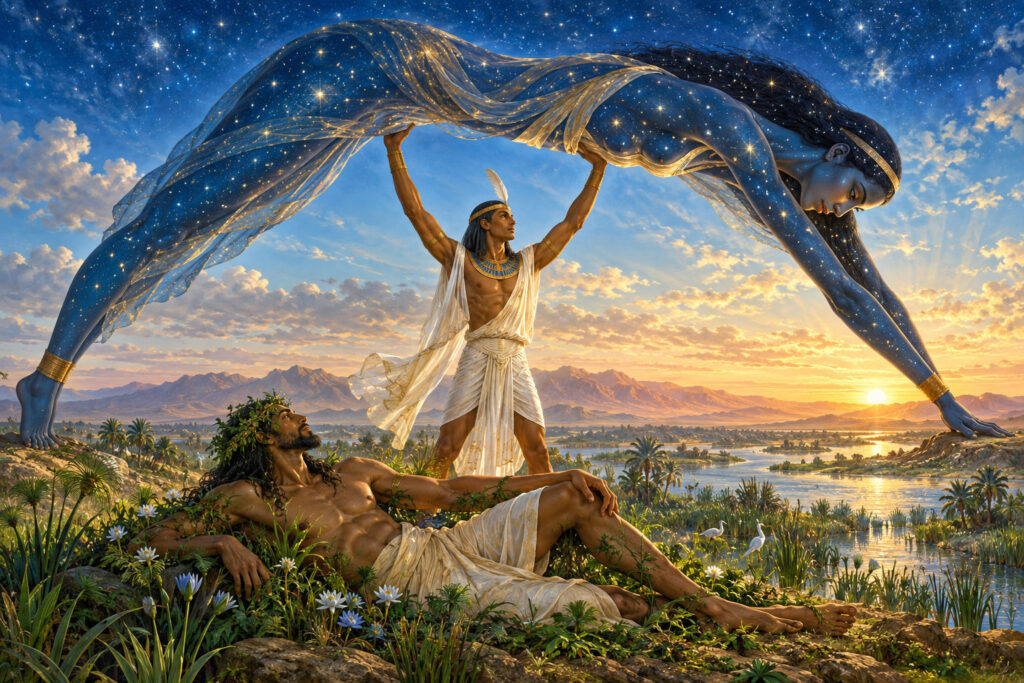
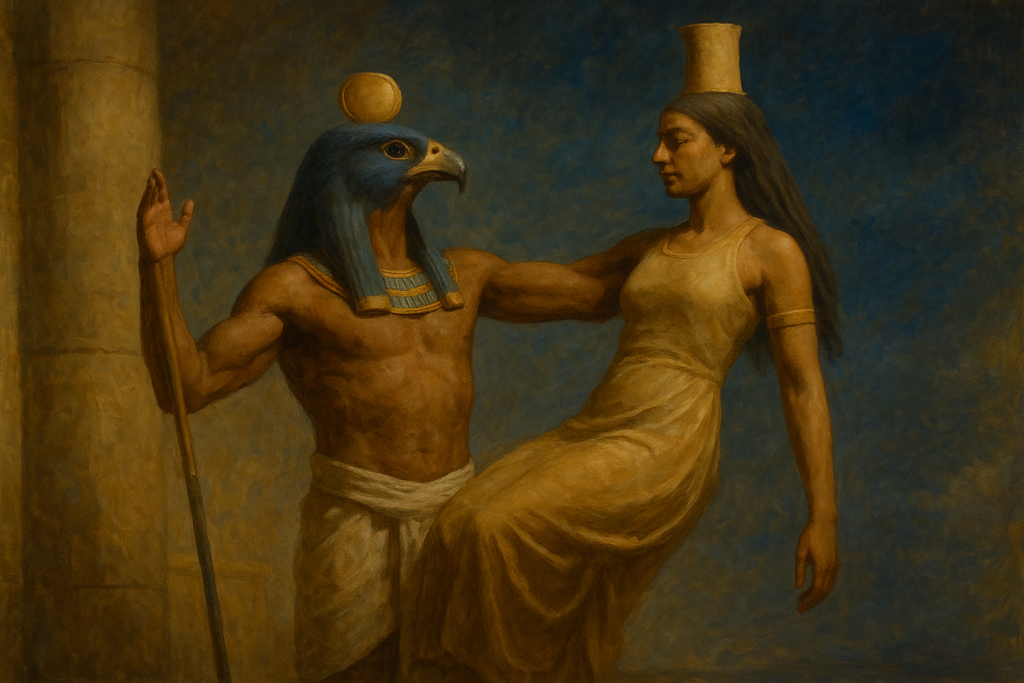
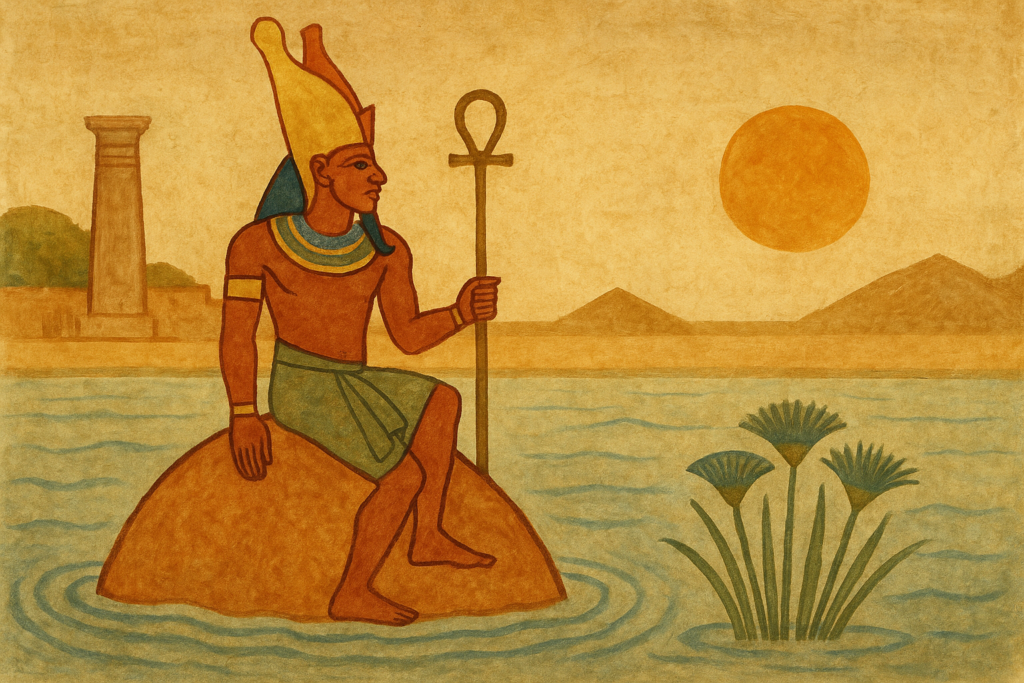
Egyptian mythology is one of the most extensive and detailed mythological systems known to history. It comprises a vast array of gods and goddesses, creation stories, morality tales, and the afterlife’s journey. Central figures such as Osiris, Isis, Ra, and Anubis not only featured in religious rituals but also shaped the everyday lives of the ancient Egyptians. Myths explained the forces of nature, human existence, and the afterlife, all of which were essential for a society that placed a high value on spirituality and the divine order.
The preservation of these myths through hieroglyphics ensured that future generations could access a shared cultural narrative, which was critical for maintaining societal cohesion. Texts like the “Book of the Dead” and temple inscriptions elaborated on these myths, providing instructions for the living about the afterlife and the symbolism interconnected with their deities.
Inscription in Temples and Tombs
The most compelling examples of hieroglyphic inscriptions are found in temples and tombs, where they served dual purposes. In temples, inscriptions celebrated the divine and recounted the lifelong accomplishments of pharaohs, often framed within the context of mythological narratives. For instance, temple carvings might depict the pharaoh as being anointed by gods, reinforcing the belief in divine rulership and the pharaoh’s connection to mythology.
Tombs, on the other hand, provided a glimpse into the importance of myths concerning the afterlife. Hieroglyphic inscriptions often detailed the deceased’s journey in the afterlife, highlighting the central myth of Osiris, who himself died and was resurrected. This narrative not only provided comfort to the bereaved but also offered a framework for understanding death and immortality. The meticulous inscriptions included spells, prayers, and guidance for navigating the afterlife’s challenges, ensuring that the mythological elements associated with death were preserved and transmitted.
The Transmission of Knowledge
Hieroglyphics also played a crucial role in the transmission of knowledge. Scribes, as the keepers of this script, were esteemed members of society responsible for recording not just mythological tales but also administrative and legal documents. Their training included deep familiarity with both the language and the cultural context of the myths they recorded.
As Egypt underwent conquests and cultural changes, the preservation of hieroglyphics became paramount. The Rosetta Stone, discovered in 1799, exemplifies this. It features the same decree inscribed in three scripts—Greek, Demotic, and hieroglyphics—allowing modern scholars to unlock the secrets of ancient Egyptian language and mythology. The preservation of hieroglyphics, therefore, was not merely about keeping written records; it was about sustaining a culture’s identity and mythos through changing times.
Revival and Influence
Hieroglyphics left an indelible mark not just in Egypt but throughout the surrounding cultures. The myths conveyed through hieroglyphs influenced Greek and Roman mythology, with characters and narratives merging and reshaping throughout the ages. Figures like Hermes Trismegistus, who combined elements of Greek and Egyptian mythology, illustrate how hieroglyphics bridged various cultural traditions.
In more modern times, the rediscovery of hieroglyphics has fueled a resurgence of interest in Egyptian mythology. The symbolic language has inspired literature, art, and popular culture, from movies to novels, rekindling ancient stories in contemporary settings. Egyptomania, particularly during the 19th century, showcased a fascination with Egyptian myths as seen in the works of writers like H.P. Lovecraft and later films, allowing these ancient tales a second life in modern consciousness.
Conclusion
The relationship between hieroglyphics and mythology is a testament to humanity’s desire to understand the transcendent and the eternal. Through their intricate symbols and careful inscriptions, the ancient Egyptians embraced a narrative framework that explained their world and their place within it. As both a practical and an artistic medium, hieroglyphics played an indispensable role in preserving mythological tales, serving to define cultural identity and community cohesion across generations.
Today, the legacy of hieroglyphics and the myths they encase continue to captivate scholars and enthusiasts alike. They remind us that language, in all its forms, is a formidable vessel for preserving stories that transcend time, inviting us into an ancient world that still resonates with themes of humanity, spirituality, and the pursuit of understanding the unknown. Through hieroglyphics, the myths of ancient Egypt endure, echoing through the ages as vital components of our shared human heritage.